


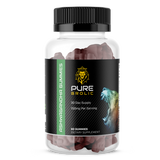


A gummy can feel like the easiest part of your nighttime routine: take one, get comfortable, and let the day go. But are sleep gummies safe when you use them regularly, combine them with other supplements, or take prescription medication? The honest answer is that it depends on the formula, the dose, your health history, and why sleep has become a struggle in the first place.
For many healthy adults, a carefully chosen sleep gummy can be a useful short-term tool for occasional restless nights, jet lag, or a schedule that has temporarily thrown off your normal sleep rhythm. It is not a substitute for a consistent bedtime routine, and it should never leave you guessing about what you are taking. Strength starts with recovery, and recovery starts with making informed choices.
Are Sleep Gummies Safe for Most Adults?
Most sleep gummies use melatonin as their primary active ingredient. Melatonin is a hormone your body naturally produces in response to darkness. It helps signal that it is time to sleep. When used in an appropriate dose for a limited period, melatonin is generally considered safe for many adults.
That does not mean every product, dose, or nightly habit is right for every person. Gummies can be especially easy to overuse because they taste like candy. A higher dose is not automatically more effective, either. For some people, too much melatonin can mean grogginess the next morning, unusually vivid dreams, headache, dizziness, or an upset stomach.
The safest approach is simple: choose a transparent formula, begin with the lowest effective serving, and pay attention to how you feel the next day. If you wake up sluggish, foggy, or less sharp behind the wheel, your dose, timing, or product may not be a good fit.
What Is Actually Inside a Sleep Gummy?
Melatonin gets most of the attention, but it may not be the only ingredient. Some formulas include calming compounds such as L-theanine, magnesium, lemon balm, chamomile, passionflower, GABA, or ashwagandha. These ingredients can make a formula feel more complete, but they also make it more important to read the Supplement Facts panel rather than buying based on a front-label promise.
A few things deserve a closer look before you add any sleep gummy to your routine:
- The melatonin amount per serving and whether one serving is one gummy or several
- Every active ingredient, especially herbs or compounds you already take elsewhere
- Added sugar, artificial colors, allergens, and dietary restrictions that matter to you
- Clear manufacturer information and lot-based quality testing practices
- Directions that explain when to take the product and who should avoid it
The dose matters more than the hype
Sleep products vary widely in melatonin content. Some contain amounts far beyond what many people need to support their sleep schedule. More melatonin does not force better sleep. It may simply increase the odds of next-day drowsiness or strange dreams.
Starting low is a smart move, particularly if you have never used melatonin. Take it according to the label, often 30 to 60 minutes before your planned bedtime, and give yourself enough time for a full night of rest. Taking a sleep gummy at midnight when you have to be up at 5 a.m. is a setup for a rough morning, no matter how good the formula is.
When Sleep Gummies May Not Be the Right Move
Sleep gummies should not be used to push through a serious or ongoing sleep problem. If you regularly need them for weeks, wake up gasping, snore heavily, struggle to stay awake during the day, or cannot fall asleep despite having enough time in bed, talk with a healthcare professional. Sleep apnea, anxiety, chronic pain, depression, thyroid concerns, medication effects, and other issues can all affect sleep quality.
You should also speak with a doctor or pharmacist before taking a sleep gummy if you are pregnant, breastfeeding, managing a chronic condition, or taking medications. This matters especially for people using blood thinners, sedatives, seizure medications, diabetes medications, blood pressure medications, or drugs that affect mood and immune function. Even natural ingredients can interact with medications.
Children and teens are another separate conversation. Do not assume an adult sleep gummy is appropriate for a younger person, and keep all gummies secured away from children. Their candy-like appearance can lead to accidental overconsumption.
Be careful with alcohol and other sedatives
A sleep gummy is not a green light to mix substances that make you drowsy. Avoid combining it with alcohol, sleep medications, or other sedating products unless a qualified clinician has specifically advised you to do so. The combination can intensify drowsiness, impair coordination, and make it harder to judge how your body is responding.
The same practical rule applies to your evening routine: once you take a sleep gummy, plan to wind down. Do not drive, start a late workout, or tackle a task that requires quick reactions.
Product Quality Is Part of Safety
Supplements are not reviewed by the FDA before they reach the market in the same way prescription drugs are. That makes brand standards a meaningful part of your decision. Look for companies that clearly disclose ingredient amounts, follow good manufacturing practices, and test their products for quality.
Claims such as Made in the USA, GMP-certified facility, FDA-registered facility, and lab tested can be useful trust signals when they are backed by transparent labeling and responsible manufacturing. They do not make a supplement a cure for insomnia, but they can help you choose a product made with more care than a mystery blend with vague promises.
Be skeptical of products that promise to knock you out instantly or guarantee perfect sleep every night. Quality sleep is not about being sedated. It is about falling asleep at a reasonable time, staying asleep well enough, and waking up ready to move with purpose.
Build a Routine That Lets the Gummy Do Less
The strongest sleep strategy is not one gummy. It is a routine that gives your body clear signals that the day is over. Keep your wake-up time fairly consistent, even on weekends. Get daylight early in the day when possible, and reduce bright screens and intense work close to bedtime.
Your training can help, too. Regular movement supports better sleep for many people, but a hard late-night session may leave some athletes too stimulated to settle down. Notice your own pattern. If evening workouts are your only option, give yourself time to cool down, eat a balanced recovery meal, and transition out of training mode.
Caffeine timing matters just as much. That afternoon energy drink or oversized coffee may still be working long after you feel the immediate boost. If your sleep is inconsistent, try moving caffeine earlier before assuming you need a stronger sleep formula.
Use Sleep Gummies With Intention
A sleep gummy can fit into a wellness routine when it is used thoughtfully, not automatically. Choose a clearly labeled product, respect the serving size, avoid risky combinations, and check with a healthcare professional when medications or health conditions are involved. If it supports an occasional reset, great. If it becomes the only way you can sleep, that is a signal to look deeper.
Your nights should support your next workout, your workday, your family time, and the bigger goals you are building toward. Treat sleep support like every other part of your wellness plan: stay consistent, know what you are taking, and choose progress that still feels good when morning comes.