

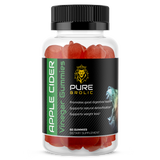
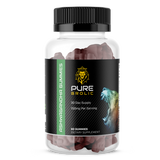


A supplement label can make big promises. The question is whether what is in the bottle matches what is on the label. That is why lab tested supplements matter to anyone building strength, supporting recovery, filling nutrient gaps, or simply showing up for their health every day.
For a pre-workout before an early lift, protein after training, creatine in a daily routine, or a sleep formula at night, confidence starts before the first scoop or gummy. You should know what you are taking and why it belongs in your routine.
What “Lab Tested” Should Mean
Lab testing refers to analytical testing used to evaluate a supplement's ingredients and quality. Depending on the product and testing process, a lab may assess identity, potency, purity, or potential contaminants. In plain language, it is a way to check that a formula is aligned with its specifications rather than relying only on a label claim.
That matters because supplements are not all used the same way. A person using whey isolate to help meet a protein goal wants confidence in the serving. Someone taking creatine consistently wants a straightforward formula that supports a dependable routine. A customer choosing collagen, multivitamins, ashwagandha, or sleep gummies wants to feel good about making those products part of daily wellness.
“Lab tested” is a valuable trust signal, but it is not a magic phrase that makes every product identical. Testing can vary by batch, ingredient, method, and the standards a brand uses. The strongest approach is to look at lab testing as one part of a larger quality picture: clear labels, responsible manufacturing, sensible formulas, and a brand that gives you reasons to trust the product in your hand.
Why Lab Tested Supplements Matter for Your Routine
Your routine works best when it is consistent. That consistency is harder to build when you are second-guessing the quality of what you take. Lab tested supplements help reduce that uncertainty by putting more focus on verification.
For performance-minded customers, this can mean greater confidence in the basics. You want a pre-workout with clearly stated active ingredients, not a vague blend that leaves you guessing about amounts. You want protein that fits your nutrition plan and creatine that is easy to use every day. If recovery, sleep, beauty, or healthy aging is the priority, the same principle applies: choose formulas with labels you can read and a purpose you understand.
Testing also supports smarter purchasing. A low price can be tempting, but value is not just the cost per tub or bottle. It is the confidence that you are buying a product designed and produced with quality controls in mind. The best supplement is rarely the one with the loudest claim. It is the one you can use consistently, understand clearly, and feel good about keeping in your routine.
Know the Difference Between Quality Terms
Supplement packaging often includes several quality-related terms. They are useful, but they do not all mean the same thing.
A GMP-certified facility refers to Good Manufacturing Practices. These are standards for how products are made, handled, documented, and controlled during manufacturing. GMPs help create a more disciplined production environment, from ingredient handling through finished-product processes.
A Made in the USA claim tells you where a product is manufactured, which may matter to shoppers who prefer domestic production. An FDA-registered facility means a facility is registered with the FDA, but it does not mean the FDA has approved a supplement or endorsed its claims. Dietary supplements are not pre-approved by the FDA in the way prescription drugs are.
Lab testing is its own part of the quality conversation. It can be used to verify ingredients or screen for specific concerns. When these practices work together, they create a stronger foundation for customer confidence. No single badge should replace common sense, but multiple clear quality signals are worth paying attention to.
Potency, Purity, and Identity
These three words come up often, and each answers a different question.
Potency asks whether the amount of an ingredient matches the intended amount. If a label says a serving contains a certain amount of a vitamin, mineral, amino acid, or botanical ingredient, potency testing helps assess that target.
Purity focuses on whether a product contains unwanted substances at levels that do not meet the brand's standards or applicable requirements. Identity helps confirm that an ingredient is actually what it is supposed to be. Together, these checks matter because a supplement is only as useful as the quality behind its formula.
The details depend on the product. A simple creatine powder does not raise the same questions as a multi-ingredient gummy or botanical blend. That is not a reason to avoid formulas with more ingredients. It is a reason to choose them with more care.
How to Shop Smarter, Not Harder
You do not need a chemistry degree to make a better supplement choice. Start with the Supplement Facts panel or nutrition label. Look for the ingredients, serving size, and directions. If a product relies heavily on a proprietary blend, you may not know how much of each ingredient you are getting. For many shoppers, transparent amounts make comparing products easier.
Next, match the product to a real need. If your goal is muscle support and convenient nutrition, a whey isolate protein may make sense. If you train regularly and want a simple daily performance staple, creatine can be a practical option. If your routine is more about everyday coverage, recovery, sleep, or beauty support, choose a formula that fits that lane instead of buying every trending product at once.
It also helps to watch for exaggerated language. Supplements can support a healthy lifestyle, but they do not replace nutritious meals, training, sleep, hydration, or medical care. Be cautious with products that promise instant transformations, dramatic hormone changes, or results that sound too good to be real. Real progress is built through repeatable habits.
Finally, consider your individual situation. People who are pregnant or nursing, take medications, manage a medical condition, or are preparing for surgery should talk with a qualified healthcare professional before adding supplements. “Natural” does not automatically mean right for every person or every stack.
Build a Stack That Has a Job
More products do not automatically create better results. A strong supplement routine is focused. Start with the gap you are trying to close, then give each product a job.
For example, your workout foundation may be protein to support daily intake, creatine for a consistent training routine, and a pre-workout when you need energy and focus before a session. Your wellness foundation may include a multivitamin, collagen, or a sleep product, depending on your goals and diet. The right combination depends on your training, food habits, schedule, tolerance, and budget.
Introduce new products one at a time when possible. That makes it easier to understand how a formula fits your day and whether you enjoy using it. Follow the label directions, avoid doubling up on overlapping ingredients without checking amounts, and give a consistent routine enough time to become a habit.
At Pure Brolic, the goal is not to make wellness complicated. It is to give strength, recovery, and everyday wellbeing a place in the same routine, with products that support the way real people train and live.
Confidence Is Part of the Formula
The supplement aisle is full of flashy tubs, bold flavors, and big promises. Quality is often quieter. It shows up in a transparent label, thoughtful manufacturing standards, testing practices, and a formula that makes sense for your goal.
Choose products that help you move with purpose, recover with intention, and stay consistent when motivation is not doing all the work. Your health does not need hype. It needs habits you trust enough to keep.