




That wired-but-tired feeling can hit hard: your training is consistent, your schedule is packed, and your body still feels like it cannot fully come down. Ashwagandha is one of the supplements people reach for in that moment. But what does ashwagandha help with, really? The short answer is stress support first, with potential benefits that can reach into sleep, exercise recovery, focus, and overall vitality.
This ancient herb is not a magic fix for poor sleep, an overloaded calendar, or inconsistent nutrition. It can, however, be a useful addition to a strong daily foundation. Think quality food, training that matches your recovery capacity, hydration, sleep, and smart supplementation. That is the Brolic approach: build strength that carries into every part of life.
What Does Ashwagandha Help With Most?
Ashwagandha, also called Withania somnifera, is an adaptogenic herb. Adaptogens are compounds that may help the body respond to physical and mental stressors. Ashwagandha has been used for centuries in traditional wellness practices, and modern research has focused largely on its effects on perceived stress, cortisol, sleep, and exercise performance.
The strongest reason most adults use it is to support a calmer response to everyday stress. That does not mean it works like a sedative or erases pressure from your life. Instead, some people find that consistent use helps them feel less frazzled, more even-tempered, and better able to shift out of go-mode at the end of the day.
Results are personal. Someone dealing with high work stress and inconsistent sleep may notice more than someone who is already well-rested and relatively calm. The form, dose, and consistency of the product also matter.
Stress and cortisol support
Cortisol is often called the stress hormone, but it is not the enemy. Your body needs cortisol for energy, alertness, metabolism, and normal daily function. Problems can show up when stress stays elevated for too long and recovery never catches up.
Ashwagandha may support healthy cortisol levels in people under stress, which is one reason it has become popular far beyond the wellness aisle. For the person balancing meetings, family, workouts, and a packed phone screen, the goal is not to feel flat. It is to feel more in control of your energy and response.
If stress is severe, persistent, or affecting your ability to function, a supplement should not be your only plan. Speaking with a qualified healthcare professional is a strong move, not a setback.
Better sleep quality and a calmer nighttime routine
When your mind is still replaying the day at bedtime, sleep can feel like another thing you have to force. Ashwagandha may help support sleep quality, especially for adults whose rest is disrupted by stress or anxious feelings. Some research suggests it may help people fall asleep more easily and experience more restorative sleep.
It is not a knockout pill. If you are drinking late-day caffeine, scrolling in bed, or getting only five hours of sleep, an ashwagandha gummy cannot outwork those habits. It can fit well into a wind-down routine that includes dimmer lights, a consistent bedtime, and fewer stimulants later in the day.
Timing depends on the individual. Some prefer it in the evening as part of their relaxation routine, while others take it earlier and feel no drowsiness at all. Follow the product label and pay attention to how your body responds.
Workout recovery, strength, and endurance
Hard training creates stress on purpose. The win comes when you recover well enough to come back stronger. Ashwagandha may support exercise performance by helping with stress management, recovery, and possibly strength or endurance outcomes when paired with a consistent training program.
A few studies have found promising results for strength, muscle growth, and cardiorespiratory fitness in certain groups. That is encouraging, but it does not put ashwagandha in the same category as proven performance basics like adequate protein intake, creatine, progressive training, and enough calories to support your goal.
Use it as a supporting player, not the whole starting lineup. If your recovery is poor because you are under-eating, skipping rest days, or sleeping four hours, address those first. Ashwagandha may help your routine feel more sustainable, but it cannot replace the fundamentals.
Focus, mood, and everyday mental balance
Chronic stress can make concentration feel slippery. You may not be clinically anxious, but you may still feel scattered, irritable, or mentally spent by midafternoon. By supporting stress resilience and sleep, ashwagandha may indirectly help with clearer focus and a steadier mood.
That distinction matters. Ashwagandha is not a treatment for depression, anxiety disorders, ADHD, or other mental health conditions. If you have symptoms that are intense, long-lasting, or worsening, get professional support. Supplements can be part of a wellness routine, but they should never delay the care you need.
Male vitality and hormone support
Ashwagandha is often included in men’s wellness formulas because early research suggests it may support reproductive health and testosterone levels in certain men, particularly those under stress or engaged in resistance training. That does not mean everyone will see a hormone change, and it is not a replacement for medical evaluation of low testosterone.
Hormones respond to the bigger picture: sleep, body composition, diet quality, alcohol intake, stress, medications, age, and underlying health conditions all count. For adults focused on strength, confidence, and healthy aging, ashwagandha can be a practical wellness tool, but realistic expectations are key.
How Long Does Ashwagandha Take to Work?
Ashwagandha is generally not a take-it-once-and-feel-it supplement. Many people use it daily for several weeks before they can fairly judge whether it supports their stress level, sleep, or recovery. Some notice a calmer feeling sooner, while others notice no meaningful difference.
Consistency matters more than chasing a huge dose. Choose a product with clearly labeled ingredients and follow the serving instructions. If you use gummies, remember that they are still a supplement, not candy. Keep them out of reach of children and do not take extra servings because you want faster results.
The best way to assess it is simple: keep your routine stable for a few weeks. Notice your sleep quality, daily stress, training recovery, and energy without expecting perfection. A supplement that helps you stick to your healthy habits has real value.
Who Should Be Careful With Ashwagandha?
Natural does not automatically mean risk-free. Ashwagandha can cause side effects for some people, including stomach upset, loose stools, nausea, or drowsiness. It may not be a fit for everyone.
Talk with a healthcare professional before using ashwagandha if you are pregnant or breastfeeding, have a thyroid condition, autoimmune condition, liver disease, or a history of hormone-sensitive health concerns. You should also ask before use if you take medication for blood sugar, blood pressure, thyroid function, immune activity, anxiety, sleep, or sedation. Ashwagandha may interact with certain medications or affect conditions that need individualized medical guidance.
Stop using it and seek medical advice if you develop concerning symptoms, especially signs of an allergic reaction or unusual changes in how you feel. The strongest wellness routine is one that supports your body without ignoring its feedback.
Making Ashwagandha Part of Your Routine
Ashwagandha makes the most sense when your goal is everyday resilience. Maybe you are pushing for a new personal record but want better recovery. Maybe you want to protect your evening routine from work stress. Maybe you simply want steady, age-inclusive support for sleep, strength, and vitality.
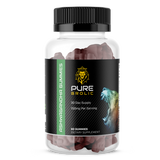
Start with the label-recommended serving, take it consistently, and pair it with habits that move the needle: protein-rich meals, regular movement, hydration, and sleep you actually protect. A quality ashwagandha option from Pure Brolic can fit that bigger plan without making wellness complicated.
Your body is built to adapt, but it also deserves support. Give your routine time, stay honest about what is and is not working, and keep building the kind of strength that feels good long after the workout ends.