

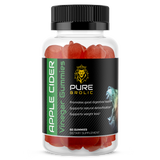
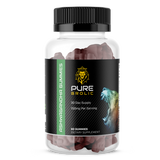


Your training plan may be on point. Your protein shake may be ready. But if breakfast is coffee, lunch happens between meetings, and dinner is whatever fits the schedule, small nutrient gaps can add up. A women's daily multivitamin is a practical way to support the foundation beneath your workouts, workdays, recovery, and long-term wellbeing.
This is not about chasing perfection or replacing real food with a capsule. It is about giving your body consistent backup when life is moving fast. For women building strength, managing full schedules, returning to fitness, or simply protecting their everyday energy, the right formula can earn a place in the routine.
Why a Women's Daily Multivitamin Can Matter
Food comes first, but even a balanced eating plan can have blind spots. Travel, busy seasons, appetite changes, dietary restrictions, food preferences, and intense training can all affect what you take in over the course of a week. A multivitamin is designed to help fill common nutritional gaps, not to make up for a diet built entirely on convenience foods.
Women also have needs that can shift with age and life stage. Iron needs may be higher during menstruating years. Bone-focused nutrients become especially relevant as women get older. Pregnancy, postpartum recovery, menopause, medications, and health conditions can all change the conversation. That is why a generic one-size-fits-all formula is not always the strongest choice.
A well-chosen daily multivitamin supports the basics that help you show up: normal energy metabolism, immune function, bone health, and cellular health. The payoff is not usually a dramatic, overnight jolt. It is the confidence of knowing you are supporting your body with a consistent habit.
What to Look for in a Womens Daily Multivitamin
The front label can be loud. Turn the bottle around. The Supplement Facts panel tells you what is actually in the formula, how much you get per serving, and whether it aligns with your needs.
Essential vitamins and minerals
Start with broad coverage of essential micronutrients. Vitamins A, C, D, E, and K each play different roles in areas such as immune support, antioxidant activity, bone health, and normal blood clotting. B vitamins are involved in converting the food you eat into usable energy, which makes them valuable for anyone balancing training, family, work, and recovery.
Minerals deserve equal attention. Zinc supports immune function and normal cellular processes. Iodine supports thyroid health for people who need it. Selenium contributes to antioxidant defenses. Magnesium is involved in muscle and nerve function, though many multivitamins contain only a modest amount because larger doses take up more space in a capsule or tablet.
The goal is not to find the highest number on every line. More is not automatically better. Excessive intake of certain nutrients can create problems, especially when you combine a multivitamin with pre-workout, greens powders, beauty supplements, fortified foods, or separate vitamin products.
Vitamin D for daily support
Vitamin D is one nutrient many people pay close attention to, particularly those who spend most of the day indoors or live where sunlight is limited for part of the year. It supports calcium absorption, bone health, muscle function, and immune health. The right amount depends on your diet, sun exposure, lab results, and guidance from a healthcare professional.
If you already take standalone vitamin D, check the total amount across everything you use. Stacking products without checking labels is an easy way to turn a smart habit into an unnecessary one.
Iron: useful for some, not for everyone
Iron is one of the biggest reasons women should not automatically grab any multivitamin. Women who menstruate, eat little or no meat, have been told they have low iron, or experience heavy periods may need more support. Others, including many postmenopausal women, may not need supplemental iron at all unless a clinician recommends it.
Low iron can contribute to fatigue, weakness, and reduced exercise capacity, but those symptoms have many possible causes. Do not self-diagnose based on a rough week in the gym. If fatigue is persistent or severe, ask a healthcare professional about testing.
Quality you can trust
Supplements should fit your standards, not just your budget. Look for clear labeling, sensible serving directions, and brands that are transparent about manufacturing quality. Made in the USA, GMP-certified facilities, FDA-registered facilities, and lab-tested claims can be meaningful trust markers when they are clearly presented.
A multivitamin should also be easy to take consistently. If large tablets make you skip days, a capsule, gummy, or smaller-tablet option may be a better fit. Gummies can be convenient, but compare their nutrient profile and added sugar with other formats. The best format is the one you will use as directed.
How to Fit It Into Your Routine
Consistency beats complexity. Take your multivitamin at a regular time you are unlikely to forget, such as with breakfast or your first substantial meal. Taking it with food can be easier on the stomach, and dietary fat can support absorption of fat-soluble vitamins such as A, D, E, and K.
Build the habit around something you already do. Keep it near your coffee supplies, protein powder, lunch container, or toothbrush, as long as it stays safely stored away from children and moisture. A simple reminder on your phone can help until the routine feels automatic.
Avoid treating a multivitamin like a stimulant. It is not pre-workout, and it is not meant to create an instant feeling of energy. If your energy is consistently low, look at the bigger picture: sleep, total calories, hydration, training load, stress, iron status, and medical factors all matter.
For a performance-minded wellness routine, think in layers. Protein supports your daily protein target. Creatine can support strength and high-intensity performance. A multivitamin helps cover micronutrient basics. Sleep, movement, and satisfying meals make the whole plan work. No single product carries the entire mission.
When You May Need a Different Plan
A women's multivitamin is a general wellness tool, not a personalized medical protocol. Pregnant or breastfeeding women should use a prenatal formula recommended by their healthcare professional rather than assuming a standard multivitamin is enough. Women with thyroid conditions, kidney disease, anemia, digestive disorders, or a history of nutrient deficiencies should also get individualized advice.
Pay attention to potential interactions. Vitamin K can matter for people using certain blood-thinning medications. Calcium, iron, and magnesium can affect the absorption of some prescriptions when taken too close together. Even familiar nutrients deserve a conversation with a pharmacist or clinician if you take medication regularly.
You may also need a more targeted approach if you follow a vegan diet, have limited sun exposure, avoid dairy, or have had bariatric surgery. In those cases, a multivitamin can still help, but it may not cover every need at the right dose.
Build Strength From the Basics
There is nothing flashy about taking a multivitamin with breakfast. That is exactly the point. Real progress is often built through repeatable actions that support how you train, recover, work, and live.
Choose a formula that matches your life stage, check the label before stacking supplements, and take it consistently. Then put your focus where it belongs: fueling your body, moving with purpose, recovering hard, and becoming stronger one ordinary day at a time. That is the kind of daily discipline that brings the Lions Roar.