



The best pre workout routine example is not the loudest one in the gym. It is the routine you can repeat on a busy Monday, before an early lift, or after a long workday when motivation is running low. The goal is simple: arrive prepared, feel switched on, and save your best energy for the work that actually builds strength.
A strong routine does not need an hour of stretching, five supplements, and a perfect playlist. It needs a few intentional moves that match your training time, your goals, and your tolerance for food and stimulants. Build it right, and walking into the gym becomes less of a debate and more of a promise you keep to yourself.
A Pre Workout Routine Example for Real Life
Here is a practical 45-minute setup for a late-afternoon strength workout. Adjust the clock, not the purpose, if you train in the morning or evening.
45 to 60 minutes before training: Eat a light meal or snack with carbohydrates and protein. Think Greek yogurt with fruit, a protein shake and a banana, or rice with lean protein if you have more time. Carbs help support training energy, while protein contributes to your daily muscle-building nutrition goals.
Keep fats and very high-fiber foods modest right before exercise if they tend to sit heavy in your stomach. A big burger, a greasy takeout meal, or a giant bowl of beans may be nutritious in another setting, but they are not always the move before squats.
30 to 40 minutes before training: Drink water and take your pre-workout if it fits your routine. A formula with caffeine can help you feel more alert and ready to train, but more is not always better. Start with the label serving size, especially if you are new to pre-workout or sensitive to caffeine.
If you train later in the day, choose your timing carefully. A great workout is not worth wrecking your sleep, since sleep is where much of your recovery gets handled. Some lifters prefer a lower-stimulant option for evening sessions, while others skip caffeine altogether and rely on food, hydration, music, and a focused warm-up.
10 to 15 minutes before training: Begin moving. Walk on the treadmill, pedal a bike, or use a rower at an easy pace for five minutes. Then perform a few mobility drills that relate to the session ahead. Before an upper-body workout, that may mean shoulder circles, band pull-aparts, and light cable rows. Before leg day, think bodyweight squats, hip hinges, and controlled lunges.
Your first exercise: Do two to four ramp-up sets before your challenging work sets. If you are bench pressing, start with a very light load, add weight gradually, and keep reps easy. These sets are not meant to tire you out. They let your joints, technique, and confidence catch up before the weight gets serious.
That is the routine. Eat when useful, hydrate, use supplements with intention, warm up specifically, and start your main lift ready. No wasted motion. Just Lions Roar energy pointed in the right direction.
Build Your Routine Around Your Training Time
The same pre-workout habits do not work equally well for every schedule. Your body does not care what looks impressive online. It responds to what you can digest, recover from, and repeat.
If You Train First Thing in the Morning
You may not want a full meal at 5:30 a.m., and that is fine. Have water as soon as you wake up, then consider a small, easy option such as a banana, applesauce, toast, or a protein shake. If food turns your stomach early, keep it lighter and make sure your post-workout meal is more substantial.
Caffeine can feel especially powerful in the morning, so pay attention to how much you already get from coffee, tea, energy drinks, or pre-workout. Stacking everything without checking labels is a fast way to feel shaky instead of focused.
If You Train After Work
The afternoon crash is real. Plan ahead with a lunch that includes protein and carbohydrates, then have a snack 60 to 90 minutes before training if needed. Going too long without food can make your gym session feel flat, especially during demanding strength workouts or high-volume training.
This is also when supplement timing matters most. If you take a stimulant-based pre-workout at 6 p.m. and are staring at the ceiling at midnight, move it earlier, reduce your serving, or choose a stimulant-free approach. Progress is built across the full week, not just during one electric training session.
If You Train at Night
Keep your pre-workout plan calm and controlled. Hydration, a balanced snack, a solid warm-up, and a clear training plan can create plenty of momentum without a heavy caffeine dose. Training hard is great. Being unable to fall asleep afterward is not a badge of honor.
What to Take Before a Workout
Supplements should support the foundation, not replace it. The foundation is consistent meals, enough fluids, smart programming, sleep, and training effort. Once those are in place, a few products can make your routine more convenient.
Pre-workout is often used for alertness, energy, and training focus. Look at the label instead of assuming every formula is the same. Caffeine content, serving size, and other ingredients vary widely. Never treat a scoop as a challenge, and avoid combining stimulant products unless you know your total intake.
Creatine is another popular choice for people focused on strength and performance. Its daily consistency matters more than taking it at the exact minute before you train. You can add it to your pre-workout drink if that helps you remember it, or take it at another time that fits your day.
Protein powder is not required before training, but it is a convenient option when a food-based meal is not practical. If your schedule is packed, a whey isolate shake with fruit can bridge the gap between work and the weight room without leaving you overly full.
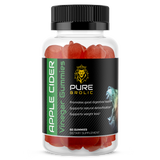
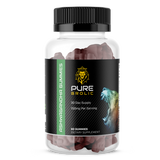
Pure Brolic is built for this kind of practical routine: performance support when you want to push harder, plus everyday wellness products that help you stay committed beyond the gym floor.
Avoid These Pre-Workout Mistakes
A routine can be simple and still go wrong when the basics get ignored. The most common mistake is treating pre-workout as a replacement for sleep. If you are regularly running on four or five hours, a stimulant may make you feel awake, but it cannot fully cover the recovery gap.
Another mistake is copying someone else's food timing. Your training partner may crush a huge meal 30 minutes before deadlifts. You may feel terrible doing the same. Experiment with portions and timing on normal training days, then stick with what gives you steady energy and a comfortable stomach.
Do not overdo the warm-up, either. You want to increase body temperature, rehearse movement, and prepare the muscles you are about to use. You do not need to turn warm-up sets into a surprise cardio circuit that drains your performance before the first working set.
Finally, train with a plan. Write down your main lifts, target sets, rep ranges, and a realistic progression goal before you walk in. Pre-workout energy feels better when it has somewhere to go.
Make It Yours, Then Repeat It
Your ideal routine may be a banana and coffee before a 6 a.m. lift. It may be a balanced snack, water, and pre-workout before an after-work strength session. Both can work if they help you show up prepared and recover well afterward.
Start with the example above for two weeks, pay attention to your energy, digestion, sleep, and training numbers, then make one change at a time. The routine that builds strength is rarely flashy. It is the one that gets you through the door, under the bar, and closer to the person you came to become.