



That last clean rep matters. So does the ability to add a few more pounds next week, recover well enough to train again, and keep showing up when motivation is not doing the heavy lifting. Creatine for strength training results is not about replacing hard work. It is about giving your muscles dependable support for the work that builds real strength.
For lifters of every experience level, creatine is one of the most practical additions to a consistent training routine. It is well studied, straightforward to use, and built for people who want progress they can measure in the gym.
Why Creatine Supports Strength Training Results
Your muscles rely on adenosine triphosphate, commonly called ATP, for quick, high-effort activity. Think heavy sets of squats, powerful presses, hard sprints, or the final reps of a demanding row. ATP is available in limited amounts, and your body needs a way to replenish it rapidly when the effort is intense.
Creatine helps support that rapid energy system. Stored in muscle as phosphocreatine, it can help regenerate ATP during short bursts of high-intensity work. The practical payoff is simple: you may be able to perform a little more quality work before fatigue takes over.
That does not mean creatine turns every workout into a personal-record party. It can, however, support the small performance wins that compound over time. An extra rep with solid form, a stronger set at the same weight, or better repeat effort across your training session can create more opportunities for progressive overload.
Progressive overload is still the driver. You need a program that gradually challenges your muscles, enough food to support your goals, protein in your daily routine, and recovery that matches your training effort. Creatine supports the engine. You still have to drive.
Strength is built through repeatable work
The best strength plan is rarely the most extreme one. It is the plan you can execute week after week. Creatine fits that mindset because its value is in consistency, not a one-time jolt of energy.
Unlike a pre-workout, which you may feel before a session, creatine works by building up muscle stores over time. The changes can be subtle at first. Then you notice your training log moving in the right direction: a set that feels more controlled, a weight you can own for more reps, or less drop-off between hard sets.
What Results Can You Expect From Creatine?
Creatine tends to be most useful for activities that involve repeated, intense effort. Resistance training is a natural match, especially when your program includes compound lifts, moderate-to-heavy loads, explosive movements, or challenging volume.
Many people use it to support strength gains, power output, training volume, and lean mass goals. Some of the initial weight change on the scale may come from water being stored inside the muscle cell. That is normal and not the same as gaining body fat. For someone focused only on scale weight, this can be surprising. For someone focused on stronger, fuller-performing muscles, it is often part of the process.
Your results depend on where you start. Beginners may see progress quickly because nearly any well-designed training plan creates adaptation. Experienced lifters may value creatine because the margin for improvement is smaller and every productive rep matters. Older adults who train for strength and mobility may also appreciate a simple routine that supports muscle performance alongside regular resistance exercise.
There is no honest promise that creatine alone will add a specific number of pounds to your lift. Sleep, nutrition, program design, technique, stress, and training age all matter. But when those foundations are in place, creatine can be a smart, reliable teammate.
How to Take Creatine for Strength Training Results
For most adults, creatine monohydrate is the go-to form. It is widely researched, effective, and uncomplicated. The standard approach is to take 3 to 5 grams daily, including rest days.
The most important detail is not whether you take it at 6:00 a.m. or after your final set. It is taking it consistently enough to saturate muscle stores. Mix it into water, a post-workout shake, or a meal-time drink that already fits your routine. If a simple habit helps you remember, that is the best timing for you.
Some people choose a loading phase of roughly 20 grams per day, split into smaller servings for five to seven days, before moving to a daily maintenance dose. Loading can fill muscle stores faster, but it is optional. A steady 3 to 5 grams daily gets you there too, just more gradually.
If you are new to supplements, the daily approach is usually the easiest place to start. Fewer steps. Less chance of stomach discomfort. More focus on the routine that will still be working for you months from now.
Keep hydration and nutrition in the picture
Creatine is not a substitute for fluids, meals, or recovery. Make hydration a normal part of your training day, particularly if you sweat heavily or train in hot conditions. Build your meals around enough total calories for your goal, with protein distributed throughout the day.
Trying to build strength while undereating, sleeping five hours a night, and changing programs every week creates a ceiling that no scoop can fix. Bring the same discipline to recovery that you bring to your hardest sets.
Common Questions Lifters Get Wrong
One common myth is that creatine is only for bodybuilders. Not true. It can fit the routine of someone lifting for confidence, athletic performance, healthy aging, better daily function, or a stronger physique. The goal is not to look a certain way. The goal is to support the work that matters to you.
Another misconception is that you need to cycle on and off. For most healthy adults, cycling is generally not necessary when using a standard daily amount. Consistency is more useful than constantly stopping and restarting.
People also worry that creatine is a stimulant. It is not. It does not work like caffeine, and it should not create a jittery feeling. That makes it a useful option for people who train later in the day or prefer performance support without relying on a big energy surge.
If you have kidney disease, another medical condition, are pregnant or nursing, or take medications that affect kidney function, speak with a qualified healthcare professional before adding creatine. Supplements should support your routine, not complicate your health plan.
Make Your Creatine Routine Work Harder
A quality creatine routine becomes more valuable when it is attached to a clear training goal. Track a few key lifts for four to eight weeks. Write down your weight, reps, sets, and how the work felt. You do not need an elaborate spreadsheet. A notes app works.
Choose movements that reflect your goal. If you want stronger legs, track squat, leg press, or deadlift variations. If upper-body strength is your focus, track presses, rows, pull-ups, or pulldowns. Then make patient progress through better form, an added rep, a small weight increase, or more controlled volume.
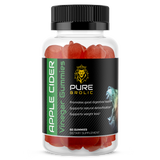
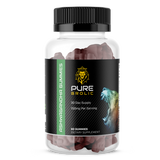
Pair that plan with a daily creatine habit and give it time. Pure Brolic is built for people who want their fitness and wellbeing routines to feel straightforward, powerful, and sustainable - not complicated for the sake of sounding advanced.
Your strongest results are rarely created by one heroic workout. They come from the quiet decision to train again, fuel your body well, take care of recovery, and earn the next rep. Keep stacking those decisions. That is how strength gets redefined.