



Low drive in the gym, inconsistent energy, a stalled recovery routine, or a change in mood can make a man wonder whether testosterone is part of the picture. This men testosterone support guide keeps the focus where it belongs: daily habits that support strength, vitality, and long-term wellbeing without chasing miracle fixes.
Testosterone naturally changes across a man’s life. Training history, sleep, calorie intake, stress, body composition, medications, and health conditions can all affect how you feel day to day. The move is not to panic over one off week or buy the loudest bottle on the shelf. Build the base first, then choose targeted support that fits your goals.
What Testosterone Support Really Means
Testosterone is a hormone involved in muscle protein synthesis, bone health, sex drive, red blood cell production, mood, and body composition. But feeling your best is bigger than a single hormone. A poor night of sleep, a hard training block, low food intake, or nonstop work stress can drain your energy even when your hormone levels are normal.
That is why practical testosterone support starts with the full picture. The goal is to create conditions that help your body perform well: train with purpose, eat enough quality food, recover consistently, and manage the pressures that keep your system running hot.
Supplements can be useful, but they work best as part of a routine. They are not a substitute for prescribed treatment or a reason to ignore persistent symptoms. If you have ongoing low libido, erectile changes, unusual fatigue, depression, fertility concerns, or a major drop in performance, speak with a qualified healthcare professional. Proper lab work and medical context beat guesswork every time.
The Men Testosterone Support Guide: Start With the Foundation
Train for strength, not exhaustion
Resistance training is one of the strongest lifestyle tools in a man’s wellness routine. Focus on movements that challenge major muscle groups: squats or leg presses, hinges, presses, rows, pull-downs, carries, and split-stance work. You do not need to train like a competitive bodybuilder to benefit. Two to four focused strength sessions per week can build momentum.
Progress matters more than punishment. Add a rep, improve your control, increase weight gradually, or sharpen your technique over time. Going all-out every session can backfire when it leaves you sore, under-recovered, and unable to train consistently. The Brolic mindset is intensity with direction, not burnout for bragging rights.
Cardio still has a place. Walking, cycling, and other moderate conditioning support heart health, work capacity, and body composition. Just match the volume to your recovery. If you are lifting hard, working long shifts, and sleeping six hours, adding endless high-intensity sessions may not be the answer.
Make sleep a non-negotiable
Sleep is recovery’s home base. During consistent, high-quality sleep, your body gets the chance to repair tissue, regulate appetite signals, and support healthy hormone rhythms. One late night will not erase your progress, but chronic short sleep can make workouts feel flat and food choices harder to manage.
Aim for seven to nine hours most nights, with a consistent wake time when possible. Keep the room cool and dark, put screens away before bed, and avoid turning late-night caffeine into a daily habit. If racing thoughts are the issue, create a simple wind-down routine: lower the lights, stretch lightly, read, or write tomorrow’s to-do list before your head hits the pillow.
Eat enough to recover and perform
Aggressive dieting is not a badge of honor if it leaves you dragging through every workout. Your body needs sufficient calories, protein, carbs, and dietary fats to train, recover, and maintain healthy function.
Start with protein at each meal. Lean meats, eggs, dairy, fish, beans, and protein shakes can all help you reach a practical daily target. Carbohydrates deserve respect too, especially around demanding workouts. Foods like fruit, oats, rice, potatoes, and whole grains provide training fuel that can support better performance and recovery.
Do not cut fats to the floor. Avocado, olive oil, nuts, seeds, egg yolks, and fatty fish can be part of a balanced plan. The right amount depends on your calorie needs and preferences, but a diet built around highly processed snacks alone will not give your body much to work with.
Micronutrients matter as well. Vitamin D, zinc, magnesium, and other nutrients contribute to normal body processes, yet many adults fall short because their diets lack variety. A quality multivitamin can help cover common gaps, but it should support real meals, not replace them.
Manage stress like it affects your training - because it does
Stress does not always look dramatic. It can be the packed calendar, poor boundaries, financial pressure, family responsibilities, or constantly checking work messages after dinner. When that pressure stays high for too long, sleep, food choices, recovery, and motivation often take the hit.
You do not need a perfect morning routine. Start with something repeatable: a 20-minute walk, a few minutes of breathing before bed, training without your phone in hand, or one block of time each day when work is off. Small actions done consistently can help you show up with more energy for the things that matter.
Where Supplements Fit In
A testosterone support supplement is best viewed as a convenience tool within a larger wellness plan. Formulas often include ingredients such as ashwagandha, fenugreek, zinc, vitamin D, or magnesium. Each ingredient has a different purpose and level of research, so avoid treating every formula as identical.
If you are considering one, look beyond flashy claims. Choose products with clear labels and straightforward serving instructions. Look for quality signals such as manufacturing in a GMP-certified facility and third-party or batch lab testing when available. Know exactly what you are taking, and avoid stacking several blends with overlapping ingredients.
Ashwagandha is commonly used for stress support and may be a sensible option for men whose recovery is being challenged by a demanding schedule. Zinc and vitamin D can be particularly relevant when dietary intake or sun exposure is low, but more is not always better. High doses of certain nutrients can cause problems, especially when used for long periods.
Creatine belongs in a different lane, but it deserves a mention. It does not directly raise testosterone, yet it is one of the most practical supplements for strength, power, and lean-mass training support. Whey isolate can also make it easier to hit protein goals when whole-food meals are not convenient. Better training and better recovery can support the bigger objective: feeling stronger and more capable.
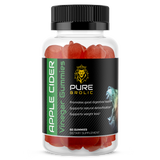
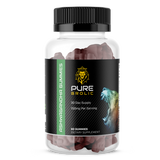
Pure Brolic brings these performance and everyday wellness categories together for men who want a simple, trusted routine rather than a cabinet full of random products.
Avoid the Common Testosterone Support Traps
The biggest trap is expecting a supplement to overcome a lifestyle that is working against you. A late-night schedule, low-protein crash diet, zero strength training, and chronic stress cannot be fixed by a single capsule.
The next trap is confusing normal fluctuations with a crisis. Energy varies. Libido varies. Motivation varies. Look for patterns over several weeks, not a single rough day. Track your sleep, training, food intake, alcohol use, and stress before deciding that testosterone is the only explanation.
Finally, be cautious with products that promise extreme hormone changes, instant muscle gain, or results that sound like prescription therapy. Responsible support should feel like a steady part of your routine, not a gamble with your health. Men with medical conditions or those taking medications should check with a clinician or pharmacist before adding a new supplement.
Build a Routine You Can Keep
A strong testosterone-support plan is not complicated. Lift consistently, eat to support your workload, protect your sleep, and make stress management a real priority. Add supplements only where they make sense for your individual routine and nutritional gaps.
Give the basics enough time to work. Strength, confidence, and daily vitality are built through the choices you repeat when nobody is watching. Keep showing up, recover with purpose, and let your routine earn its roar.