

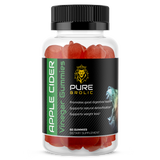
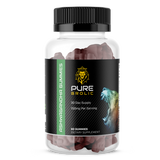


Feeling strong at 30, 50, or 70 is not about chasing a perfect diet or treating every meal like a science project. Longevity nutrition is the everyday approach of giving your body enough protein, fiber, healthy fats, vitamins, minerals, and hydration to support the life you want to live. That means more productive workouts, steadier energy, better recovery, and the confidence to keep showing up for yourself.
The goal is not to eat like a bodybuilder or follow every wellness trend. The goal is to build habits that protect muscle, support metabolic health, and make healthy choices easier to repeat. Strength redefined starts on your plate, then carries into your training, sleep, workday, and weekends.
What Longevity Nutrition Really Means
Longevity nutrition focuses on the fundamentals that help support health and function over time. It is less about one "anti-aging" food and more about what you do consistently: eating enough quality food, maintaining muscle, managing blood sugar, supporting heart health, and filling common nutrient gaps.
For active adults, muscle is a major part of the conversation. Muscle helps you move well, train hard, recover from daily demands, and stay independent as the years pass. Losing it gradually can make everything from climbing stairs to maintaining a healthy weight more difficult. That is why adequate protein and resistance training belong in the same long-game plan.
Your needs still depend on your age, activity level, appetite, medical history, medications, and goals. A young lifter trying to add size may need more calories and protein than someone whose priority is maintaining strength while losing body fat. The principles stay steady, but the portions and strategy can change.
Build Your Plate Around Strength and Recovery
A longevity-focused diet does not require complicated rules. Start by making your meals more complete. Protein provides the building blocks for muscle repair and maintenance. Colorful produce brings fiber and micronutrients. Smart carbohydrates help fuel training and everyday movement. Healthy fats support satisfaction and several essential body functions.
Make protein a daily priority
Protein is not just a post-workout concern. Spreading it across the day can make it easier to reach your total intake and support muscle protein synthesis more consistently. Eggs, Greek yogurt, poultry, fish, lean meats, tofu, beans, and cottage cheese are all practical options.
If your schedule makes whole-food protein difficult, a quality whey isolate protein shake can be a convenient tool. It is not a replacement for real meals, but it can turn a low-protein breakfast or rushed afternoon into an opportunity to support recovery. Pair it with fruit, oats, or yogurt when you need a more filling option.
Put fiber on the same level as protein
Most people know they need protein, but fiber often gets ignored. That is a miss for longevity. Fiber supports digestive regularity, helps with fullness, and can contribute to healthy blood sugar and cholesterol levels as part of an overall balanced diet.
Build it in through vegetables, fruit, beans, lentils, whole grains, nuts, and seeds. You do not need to transform every meal overnight. Add berries to breakfast, choose beans with lunch, or make half your dinner plate vegetables. Small upgrades create a routine that actually lasts.
Choose fats that work harder
Fats are not the enemy. Foods like avocado, olive oil, nuts, seeds, and fatty fish provide fats that support satisfaction and overall health. They also make meals more enjoyable, which matters when you are building habits for years instead of days.
Portion awareness still counts because fats are calorie-dense. If fat loss is one of your goals, you do not need to remove healthy fats. You simply need to account for them and create meals that keep you full without pushing total calories beyond what your body needs.
Eat enough to match your output
Constant under-eating can leave you flat in the gym, hungry at night, and stuck in an all-or-nothing cycle. On the other side, regularly eating far beyond your needs can make it harder to manage body composition and energy levels. Longevity nutrition is about a sustainable middle ground.
Use your training as feedback. If your performance, recovery, mood, and sleep are consistently off, your food intake may deserve a closer look. A registered dietitian can be especially helpful if you have health conditions, digestive concerns, or a history of restrictive eating.
Support Muscle Beyond the Kitchen
Food builds the foundation, but long-term strength needs a signal. Resistance training tells your body that muscle matters. You do not need to live in the gym to benefit. Consistent sessions built around movements like squats, presses, rows, hinges, carries, and pulls can support strength and function at any age.
Recovery matters just as much. Sleep is when your body gets meaningful time to repair and adapt. A hard training plan paired with short sleep, high stress, and low food intake is a fast route to feeling run-down. Aim for a repeatable bedtime routine, regular movement, and enough food to recover from the work you put in.
Creatine monohydrate can be a practical addition for adults who strength train. It is widely used to support high-intensity exercise performance and can help support strength gains alongside consistent training. It works through daily use, not by taking it only when you want an extra-hard workout. People with kidney disease, those who are pregnant or nursing, and anyone managing a medical condition should speak with a qualified clinician before starting supplements.
Where Supplements Fit Into Longevity Nutrition
Supplements can help close practical gaps. They cannot outwork a diet built on skipped meals, drive-thru dinners, and four hours of sleep, but they can make a consistent routine easier to maintain.
A multivitamin may offer broad nutritional support when your diet is not perfectly consistent. Collagen is a popular choice for people who want to support their beauty and wellness routines, though it should not be counted as your main complete protein source. Sleep-focused formulas may complement a wind-down routine, while stress-support ingredients such as ashwagandha may fit certain adults when used thoughtfully.
The best supplement stack is usually the one you will use consistently and that matches a real need. Start with your basics: protein if you struggle to eat enough, creatine if strength performance is a priority, and a multivitamin if nutrient coverage is a concern. Then assess what is working before adding more.
Choose products made with quality in mind, and follow label directions. Pure Brolic offers fitness and wellbeing essentials designed to support routines across different stages of life, from training and recovery to daily wellness. Supplements are intended to support, not diagnose, treat, cure, or prevent disease. Check with your healthcare professional before using a new supplement if you take prescription medications or have a health condition.
A Routine You Can Keep for the Long Run
The strongest longevity plan is usually the least dramatic one. Build meals around protein and plants. Keep convenient options available for busy days. Train for strength a few times per week. Drink water consistently. Protect your sleep like it is part of your workout plan, because it is.
Do not wait for a birthday, a new year, or a major health scare to start. Your next meal is a chance to support the body that carries you through every rep, every responsibility, and every season ahead. Keep it simple, stay consistent, and give your future self something powerful to work with.