



That post-workout soreness can feel like proof you put in work. But being sore for days, dragging through your next session, or watching your strength stall is not the goal. Learning how to support muscle recovery helps you train with more consistency, protect your momentum, and show up ready to earn your next win.
Recovery is not one magic shake or a single rest day. It is the work you do between workouts: how you train, eat, hydrate, sleep, and manage stress. Get those basics moving in the right direction, and your body has what it needs to repair muscle tissue and adapt to the training you are asking it to do.
Train Hard Without Outtraining Your Recovery
Muscles grow and get stronger after training, not during it. Your workout creates a challenge. Recovery is where your body responds to that challenge by rebuilding and adapting. The catch: more work is only better when you can actually recover from it.
If every set is taken to absolute failure, every workout leaves you wrecked, and every muscle group gets hammered day after day, your body may not have enough time or resources to bounce back. This can show up as lingering soreness, declining performance, poor sleep, low motivation, or nagging aches that refuse to leave.
A smart training plan includes hard effort and enough room to recover. Most people do well with at least 48 hours before directly training the same muscle group hard again, though it depends on your training volume, exercise selection, experience level, sleep, nutrition, age, and life stress. A seasoned lifter may handle more total work than a beginner, but nobody is immune to accumulated fatigue.
Progress does not require destroying yourself every session. Focus on good form, gradual increases in weight or reps, and a plan you can repeat week after week. That is Brolic energy with a purpose.
How to Support Muscle Recovery With Nutrition
Training gives your body the signal. Food provides the raw materials. If you are regularly under-eating or skipping protein after demanding workouts, recovery can feel slower because your body is trying to do more with less.
Prioritize daily protein
Protein supplies amino acids, the building blocks your body uses to repair and maintain muscle tissue. For active adults focused on building or preserving muscle, a practical daily target is often around 0.7 to 1 gram of protein per pound of body weight. Your individual needs can vary, but consistency matters more than chasing a perfect number.
Spread protein across the day instead of relying on one huge dinner. Meals built around eggs, Greek yogurt, chicken, fish, lean beef, tofu, beans, or a quality whey isolate can make it easier to reach your target. A protein shake is not a replacement for every meal, but it is a convenient tool when work, travel, or a busy schedule makes whole-food meals harder to manage.
After training, a protein-rich meal or shake can be a simple recovery move. You do not need to sprint to the shaker bottle the second your final set ends. Still, getting protein within the next few hours is a smart habit, especially if you trained without eating for a while beforehand.
Do not fear carbohydrates
Carbohydrates help replenish glycogen, the stored fuel your muscles use during challenging training. They can be especially useful after long lifting sessions, intense conditioning, endurance work, or two-a-day training.
Fruit, oats, rice, potatoes, whole-grain bread, and pasta can all fit the plan. The right amount depends on your overall activity and goals. Someone doing heavy lifting plus sports may need more carbs than someone training three days a week for general fitness. If fat loss is your goal, you can still eat carbohydrates - the goal is to match portions to your total needs, not cut out a valuable source of training fuel.
Eat enough overall
Protein gets most of the spotlight, but total calories matter too. Building muscle or recovering from demanding training is harder when your intake is consistently too low. If you are dieting, expect recovery to be a little more challenging and be realistic about how much high-intensity training you can sustain.
Healthy fats, colorful produce, fiber-rich foods, and adequate calories help support whole-body health. Muscle recovery is not isolated from the rest of your wellbeing.
Use Supplements as Practical Recovery Support
Supplements work best when they support strong habits, not when they are expected to rescue weak ones. Think of them as convenient additions to a foundation of training, food, hydration, and sleep.
Whey isolate protein is one of the easiest ways to close a protein gap. It is fast, convenient, and useful after training or anytime your meals fall short. If dairy does not work for you, choose another protein source that fits your preferences and digestion.
Creatine monohydrate is another well-researched option for people who strength train. It supports high-intensity performance and can help you get more out of your training over time. A daily 3 to 5 gram serving is common. Consistency is more important than timing, and drinking enough fluids is always a good move.
Collagen may be worth considering if your recovery routine also includes attention to connective tissue, mobility, and joint comfort. It is not a replacement for complete protein because it does not provide the same amino acid profile, but it can fit alongside your regular protein intake.
Sleep-focused supplements, such as formulas featuring calming ingredients, may also support a bedtime routine for some adults. They are not a substitute for a consistent sleep schedule. Check labels carefully, follow directions, and talk with a qualified healthcare professional before adding supplements if you are pregnant, nursing, managing a medical condition, or taking medication.
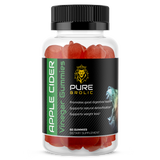
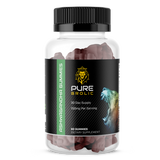
Pure Brolic products are made for people who want straightforward support for training performance, recovery, and everyday wellbeing - without making fitness feel like an exclusive club.
Hydration Is Part of the Recovery Plan
Water does more than quench thirst. It supports circulation, temperature regulation, digestion, and normal muscle function. Even mild dehydration can make a workout feel harder than it should and leave you feeling flat afterward.
There is no one water number that fits every body. Your needs change with your size, training duration, climate, sweat rate, and food intake. A useful starting point is to drink regularly throughout the day, arrive at training hydrated, and replace fluids after a sweaty session. Pale yellow urine is generally a practical sign that hydration is on track.
For long sessions or training in hot conditions, electrolytes can help replace sodium and other minerals lost through sweat. For a standard hour of lifting indoors, water and a balanced diet are often enough. Use the tool that matches the work you are doing.
Make Sleep Your Recovery Advantage
You cannot out-supplement short sleep. When sleep gets cut short night after night, training quality, appetite regulation, mood, and recovery can all take a hit. That does not mean one late night ruins your progress. It means the pattern matters.
Aim for seven to nine hours most nights, then pay attention to how you feel and perform. A consistent wake-up time, a cool dark room, and less screen time right before bed can make a real difference. If your mind stays busy at night, create a short shutdown routine: prep tomorrow's clothes, write down the next day's priorities, dim the lights, and give yourself permission to be off.
Hard training needs real rest. Treat your sleep window like an appointment with your goals.
Keep Your Body Moving on Rest Days
Rest does not always mean becoming completely still. Easy walking, light cycling, gentle mobility work, or a relaxed stretch session can help you feel less stiff and support circulation without adding more training stress.
The key word is easy. A recovery day should leave you feeling better, not turn into another hidden workout. If your legs are sore from squats, a comfortable walk may help. A surprise all-out stair workout probably will not.
Pay attention to pain, too. General soreness is common after a new or hard workout. Sharp pain, swelling, numbness, weakness, joint instability, or pain that changes how you move deserves more caution. Do not try to out-tough an injury. Get appropriate medical guidance when something does not feel right.
Build a Routine You Can Repeat
The best recovery routine is not the most complicated one. It is the one you can do after a busy workday, during travel, and when motivation is not at its peak. Hit your protein target most days, keep water close, take your creatine consistently if it fits your plan, train with intention, and protect your sleep.
Your body does not need perfection to make progress. It needs enough quality work, followed by enough quality recovery, repeated long enough for the results to show. Train with purpose, recover with pride, and keep coming back stronger.