



Your supplement cabinet does not need to look like a science lab to make a real difference. The best answer to how to start a supplement routine is usually simpler than people expect: choose a goal, start with a few products that fit it, and take them consistently enough to learn what works for your body.
Whether you are chasing stronger workouts, better recovery, more reliable energy, deeper sleep, or everyday wellness, supplements work best when they support the habits already moving you forward. Food, training, hydration, and rest set the foundation. The right routine helps you build on it.
How to Start a Supplement Routine With One Clear Goal
Starting with every product that sounds helpful can leave you spending more, taking too much at once, and having no idea what is actually making a difference. Start by choosing your primary focus for the next 30 to 60 days.
Maybe you want more protein to support muscle growth. Maybe your afternoon workouts need a boost, or your recovery is lagging behind your training effort. You may be focused on filling nutritional gaps, supporting healthy sleep, or staying strong and active as you get older. Every goal is valid, but it calls for a different starting point.
Ask yourself these five questions before you buy:
- What result do I want to feel or measure?
- What daily habit is currently holding me back?
- Am I training consistently, or do I need general wellness support first?
- What time of day would I realistically take a supplement?
- Do I take medications or have health conditions that require a clinician's input?
Build Your Routine Around the Basics
For most adults, a practical supplement routine begins with nutritional support rather than a long stack of specialty formulas. Your diet determines what you may need, your training style determines what may help performance, and your lifestyle determines what you will actually use.
Protein for convenient daily support
If building or maintaining muscle is a goal, protein is often the easiest place to start. Whole foods should do much of the work, but a whey isolate protein shake can make it easier to reach your daily protein target when breakfast is rushed, work runs late, or you need a post-workout option.
Timing is flexible. A shake after training is convenient, but total daily protein matters more than chasing a narrow post-workout window. Use it when it helps you stay consistent, whether that is blended into breakfast, between meals, or after your last set.
Creatine for strength and training consistency
Creatine is a popular choice for adults focused on strength, power, and lean muscle support. It is not a stimulant, and it does not need to be timed around your workout. The key is taking it regularly according to the product directions.
Some people notice a small increase in scale weight from water held in the muscle. That is different from body fat gain, but it is still useful to understand before you start. If you have kidney disease, are pregnant or nursing, or have a medical concern, talk with a qualified healthcare professional before using creatine or any new supplement.
A multivitamin for everyday coverage
A men’s or women’s multivitamin can be a sensible baseline when your meals are inconsistent or you want help covering common nutrient gaps. It is not a replacement for vegetables, fiber, protein, or a varied diet. Think of it as support for the days when real life gets busy, not a free pass to ignore the plate.
Take it with a meal if the label suggests it. Many people find that taking vitamins with food is easier on the stomach and easier to remember.
Add Products Based on the Moment You Need Support
Once your basics feel automatic, you can add a second layer based on your goal. This is where a routine becomes personal.
For workout energy, pre-workout can be useful before planned training sessions. Check the stimulant content carefully, especially if you are sensitive to caffeine, train at night, or also drink coffee and energy drinks. More stimulation is not always better. A product that helps you train hard without wrecking your sleep is the better fit.
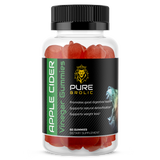
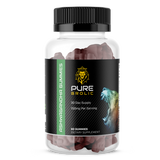
For recovery and daily movement, collagen may fit people who want to support an active lifestyle, especially when paired with enough protein and resistance training. For stress management and a calmer evening routine, some adults choose ashwagandha gummies. Results and tolerance vary, so introduce one product at a time rather than changing everything in the same week.
Sleep products deserve the same approach. A sleep gummy may support a bedtime routine, but it cannot fully offset irregular sleep hours, late-night scrolling, or caffeine at 5 p.m. Start with the lowest effective serving listed on the label, give yourself time to assess it, and avoid mixing sleep aids with alcohol or other sedating products unless a healthcare professional says it is appropriate.
Hormone and testosterone support formulas are also not one-size-fits-all. Energy, libido, recovery, and body composition can be influenced by sleep, stress, nutrition, training load, medications, and health conditions. If you have persistent symptoms, get real guidance instead of trying to supplement your way around an underlying issue.
Make the Timing Easy, Not Perfect
The most effective routine is the one that survives your actual schedule. Attach each product to something you already do every day.
Take a multivitamin with your first full meal. Keep protein powder where you make breakfast or pack it in your gym bag. Take creatine at the same time you have your post-training shake or lunch. Reserve pre-workout for training days, and keep your nighttime products near your evening routine.
You do not need to take every supplement at the same hour. What matters is following label directions and creating a cue you will not forget. If mornings are chaos, do not build a routine that depends on a perfect morning. Use lunch, your gym bag, or your evening reset instead.
A weekly pill organizer can help with capsules and tablets. For powders and gummies, a visible spot in your kitchen or workout space often works better. Out of sight can quickly become out of routine.
Choose Quality and Read Every Label
Supplements should earn a place in your routine. Look for straightforward labels, serving sizes you understand, and products made with quality standards in mind. Trust markers such as manufacturing in GMP-certified facilities, testing practices, and clear ingredient information can help you shop with more confidence.
Read the Supplement Facts panel before combining products. The biggest mistake is often accidental overlap. A pre-workout, multivitamin, energy drink, and fat-loss formula may all contain stimulants, vitamins, or other active ingredients. Stacking them without checking can leave you with more than you planned for.
Follow the labeled serving size. Doubling a scoop or adding extra gummies rarely doubles the benefit, and it may increase the chance of unwanted effects. If you are under 18, pregnant or nursing, managing a health condition, or taking prescription medication, speak with a doctor or pharmacist before beginning a supplement routine.
At Pure Brolic, the goal is strength redefined: practical support for your training, recovery, and wellbeing without making health feel complicated.
Track What Changes Before You Add More
Give a new routine time. For a straightforward product such as protein powder, you may notice right away that it is easier to meet your nutrition goals. For other supplements, the signal can take longer and may be more subtle.
Use a simple note on your phone for two to four weeks. Track your workout energy, sleep quality, digestion, recovery, and consistency. You do not need a complicated spreadsheet. A few honest observations will tell you more than guessing.
If something makes you feel off, stop using it and seek medical advice when needed. If nothing changes, that does not mean you failed. It may mean the product is not the right match, the dose or timing needs review, or the bigger opportunity is still in your sleep, meals, and training plan.
Your routine should make you feel more prepared to show up, not pressured to be perfect. Start with one goal, take the first step consistently, and let your strength build from there.