



You know the feeling - your workout was strong, but the next day your body feels like it got left behind. Heavy legs, sore shoulders, low energy, and no real drive to get back after it. If you want to know how to improve workout recovery, the answer usually is not doing one fancy thing. It is getting the basics right, consistently, so your body can rebuild, recharge, and come back stronger.
Recovery is where progress actually cashes in. Training breaks the body down. Recovery is what helps repair muscle tissue, restore energy, support your joints, and get your nervous system ready for the next session. If you train hard but recover poorly, you can end up stuck - sore all the time, flat in the gym, and wondering why your results slowed down.
How to Improve Workout Recovery Without Overcomplicating It
A lot of people treat recovery like a bonus. It is not. It is part of the training plan. You do not need a celebrity routine or a stack of expensive gadgets. You need habits that work in real life and support your goals whether you are lifting for muscle, training for performance, or just trying to feel stronger and healthier at every age.
The first place to look is your sleep. If sleep is off, almost everything else gets harder. Muscle repair, hormone balance, energy levels, mood, and even cravings all take a hit when you are running on poor sleep. Most adults do best aiming for seven to nine hours a night, but quality matters too. If you are in bed for eight hours and waking up constantly, recovery still suffers.
A better sleep routine usually beats trying to out-supplement bad habits. Keep your bedtime more consistent, cut late-night scrolling, and avoid hard training too close to bed if it leaves you wired. For people who struggle to wind down, a simple nighttime routine can make a real difference. That might mean dimmer lights, less caffeine later in the day, and support from sleep-focused wellness products if they fit your routine.
Protein Is Recovery Fuel, Not Just a Muscle-Building Extra
If your muscles do not have the raw materials to rebuild, recovery slows down. That is where protein earns its place. After training, your body needs amino acids to repair muscle tissue and adapt to the work you just did. If your total daily protein is too low, soreness can feel worse and progress can stall.
You do not need to obsess over perfect timing, but you do need enough protein across the day. For many active adults, that means making sure each meal actually includes a solid protein source instead of treating protein like something that only matters in a shake. A whey isolate can be a practical move when your schedule is packed or when getting enough from whole foods feels inconsistent.
There is a trade-off here. Whole foods bring more nutrients and often keep you fuller, but protein powder wins on convenience and speed. The best option is the one you will use consistently.
Hydration Changes More Than You Think
A lot of people blame soreness or fatigue on a hard workout when they are really under-hydrated. Water supports nutrient delivery, muscle function, temperature regulation, and overall performance. Even mild dehydration can leave you feeling more drained than you should after training.
Hydration is not just about chugging water during your workout. It starts before you train and continues after. If you sweat heavily, train in heat, or do longer sessions, electrolytes matter too. You lose more than water when you train hard, and replacing sodium and other key minerals can help you feel more normal faster.
If your urine is dark, your mouth feels dry, or your energy drops hard after training, hydration is worth checking before you assume something more complicated is wrong.
The Best Recovery Plan Depends on How You Train
Not every workout creates the same recovery demand. A heavy leg day, a long run, and a high-intensity circuit can all leave you feeling beat up, but for different reasons. That is why how to improve workout recovery is partly about matching your recovery habits to your training style.
If you lift heavy, muscle repair and nervous system recovery matter most. If you do a lot of cardio, glycogen replenishment and hydration become a bigger deal. If you train often with high intensity, the issue may be total stress load more than any single session.
This is where carbohydrates can help. They are not the enemy, especially after hard training. Carbs help refill stored energy so you are not dragging into your next workout. You do not need a massive cheat meal to recover, but pairing protein with quality carbs after tough sessions can make your body feel a lot less cooked the next day.
For some people, recovery issues are really programming issues. If every workout is all-out, your body never gets a real chance to rebound. More effort is not always better. Sometimes smarter training is the fix. That can mean taking rest days seriously, rotating intensity, or easing up before your body forces the issue.
Mobility and Light Movement Beat Total Shutdown
When soreness hits, the instinct is often to do nothing. Sometimes full rest is right, especially if you are dealing with pain or actual injury. But in many cases, light movement helps more than complete shutdown.
A walk, easy cycling, gentle stretching, or a short mobility session can increase blood flow and help your body loosen up. This is especially useful after tough lifting sessions that leave you stiff the next day. You do not need to turn recovery into another hard workout. The point is to move enough to support recovery, not add more fatigue.
If foam rolling helps you feel better, use it. If it does nothing for you, do not force it because social media said you had to. Recovery has some universal principles, but there is still room for personal preference.
Supplements Can Support Recovery When the Foundation Is Strong
Supplements are not magic, but they can absolutely make your routine more effective when sleep, hydration, and nutrition are already in place. That is the sweet spot - support, not substitution.
Protein powder is one of the most practical recovery tools because it helps you hit a key need fast. Creatine is another strong option, especially if your goals include strength, power, and muscle support over time. It is not a stimulant and it is not just for bodybuilders. For many active adults, it fits into a long-term performance and recovery routine well.
If stress is high and recovery feels off even when training is reasonable, broader wellness support may matter too. High stress can disrupt sleep, increase fatigue, and make your body feel stuck in go mode. That is where products aimed at sleep, stress support, or daily nutrient coverage can fit into the bigger picture.
The key is not taking everything. It is choosing what matches your real need. If you sleep badly, start there. If you constantly miss your protein target, fix that. If your training performance drops and your muscles feel flat, creatine may make more sense than another random product in your cabinet.
Recovery Gets Harder to Ignore as Life Gets Busier
One reason people struggle with recovery is that they are not just recovering from workouts. They are recovering from work stress, poor sleep, parenting, long commutes, under-eating, and a nonstop schedule. Your body does not separate gym stress from life stress as neatly as you might think.
That matters even more as you get older. Recovery can take longer, joints may need more attention, and sleep quality can shift. But that does not mean high performance is off the table. It means your recovery habits need to be tighter. More intention, less guesswork.
This is where an inclusive approach to fitness actually wins. Recovery is not only for elite athletes chasing PRs. It is for anyone who wants the energy to stay active, build strength, protect long-term health, and keep showing up consistently. That is the whole game.
Signs Your Recovery Is Falling Behind
If you are not sure whether recovery is the issue, your body usually gives you clues. Lingering soreness for days, a drop in workout performance, low motivation, poor sleep, irritability, and feeling unusually run down can all point to a recovery gap. So can getting sick more often or feeling like your usual workouts suddenly hit harder than they should.
The fix is not always to stop training. Sometimes it is as simple as eating more, sleeping better, hydrating consistently, and backing off intensity for a few days. Sometimes it means looking at your supplement routine and making it more useful instead of more crowded.
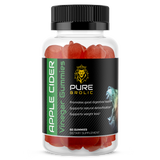
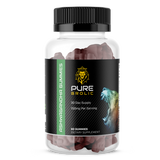
Pure Brolic speaks to a wide range of people because recovery is not one-size-fits-all. The college lifter, the busy parent, and the 50-year-old getting serious about strength again all need support that fits real life.
If you want better workouts, do not just ask how hard you can train. Ask how well you can recover. The stronger answer usually builds the stronger body.