

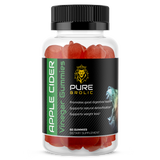
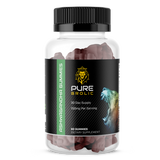


Miss one night of sleep, stack hard training days, or try to push through sore legs with a busy schedule, and recovery gets real fast. That is where recovery supplements earn their place. The right formula can help support muscle repair, hydration, rest, and day-to-day performance so you are not just grinding harder, but bouncing back better.
Not every product sold for recovery does the same job, though. Some are built for post-workout muscle support. Others help with hydration, sleep, or stress - all of which affect how well your body actually recovers. If you want results, it helps to stop thinking of recovery as one single problem and start looking at what is slowing you down.
What recovery supplements are meant to do
At the most practical level, recovery supplements are there to support what training takes out of you. A tough workout creates muscle damage, uses stored energy, shifts fluid balance, and can raise physical stress. Recovery is the process of repairing that damage, restoring balance, and getting you ready to train again.
That means the best recovery stack depends on your routine. If you lift heavy and want to maintain muscle, protein and creatine matter. If you sweat a lot or train in heat, hydration support matters. If your biggest problem is restless nights or feeling run down, sleep and stress support may matter more than another gym-focused powder.
This is where a lot of people waste money. They buy one product expecting it to fix soreness, fatigue, poor sleep, under-eating, and inconsistent hydration all at once. No supplement does that. The smart move is matching the product to the bottleneck.
The main types of recovery supplements
Protein for muscle repair
Protein is still one of the most reliable tools in the recovery conversation. After training, your body needs amino acids to repair and rebuild muscle tissue. If your daily protein intake is already strong, a shake is mostly about convenience. If you struggle to hit your numbers, it can make a real difference.
Whey isolate is a popular choice because it digests quickly and delivers a high amount of protein without much extra fat or carbs. That makes it especially useful after workouts or anytime you need an easy option that fits a busy day. For many people, the best recovery supplement is not the fanciest one - it is the protein they will actually take consistently.
Creatine for performance and repeat effort
Creatine is often seen as a performance supplement first, but it also belongs in recovery. It helps support strength output, power, and training capacity over time, which matters when your goal is to recover well enough to perform again. Some research also points to benefits around muscle recovery and reduced fatigue, especially with regular use.
The key with creatine is consistency. It is not a one-time post-workout fix. It works by building up in your muscles over time, so daily use matters more than perfect timing.
Electrolytes for hydration and endurance
If you finish workouts depleted, cramp-prone, or dragging through the rest of the day, hydration may be your weak point. Water matters, but hydration is not only about water. When you sweat, you also lose electrolytes like sodium and potassium, and that affects muscle function, endurance, and how recovered you feel afterward.
This is especially true for people training intensely, sweating heavily, or living in hotter climates. In those cases, electrolyte support can help you feel more normal faster after a workout. If your sessions are shorter and lighter, plain water and regular meals may be enough. It depends on how much you are actually losing.
Sleep and stress support
A lot of recovery gets decided long before your next workout starts. If sleep is poor, recovery usually is too. You can take all the post-workout powders you want, but if you are sleeping five broken hours a night, you are leaving results on the table.
That is why sleep gummies, calming formulas, and stress-support products can play a real role in recovery. Ingredients aimed at relaxation may help support better rest, and better rest supports muscle repair, mood, energy, and hormone balance. For people juggling training, work, family, and everyday stress, this category is often underrated.
Collagen and joint-focused support
Not all recovery is about muscle soreness. For some people, the bigger issue is how their joints, tendons, and connective tissue feel after training. Collagen and similar support products can make sense here, especially for active adults who want to keep moving well as part of a long-term routine.
This is one of those areas where expectations matter. Joint support products are not usually overnight fixes. They are more about steady support over time, which makes them a better fit for people focused on consistency and longevity rather than a quick pump-and-go result.
How to choose recovery supplements for your goal
The easiest way to shop smarter is to ask one question first: what part of recovery feels off right now?
If you are sore all the time and under-eating protein, start there. If you are struggling with repeat performance, daily creatine may help. If you feel wrecked after sweaty sessions, look at electrolytes. If your body is tired but your brain will not shut off at night, sleep support may be the better call.
This sounds simple, but it keeps you from buying based on hype. Recovery supplements work best when they solve a clear problem. They are much less useful when they are just another tub on the counter.
It also helps to think in layers. A strong recovery routine might include a whey isolate for protein intake, creatine for ongoing performance support, and a sleep formula for nights when winding down is the hardest part. That is not overdoing it if each product has a clear role. It is just a more complete approach.
What to look for before you buy
The label matters. You want products with clearly listed ingredients and straightforward dosing, not vague proprietary blends that make it hard to know what you are getting. Trust matters too, especially with supplements you plan to use regularly.
Look for quality signals such as lab tested products and manufacturing standards that give you more confidence in what is inside the bottle or tub. For a lot of shoppers, that peace of mind matters just as much as the formula itself.
You should also be realistic about timing and expectations. Some recovery supplements can help you feel better quickly, like protein after training or electrolytes after a long sweat-heavy session. Others are more about daily support and long-term payoff, like creatine, collagen, or certain wellness formulas. Faster is not always better. The right fit depends on what you need most.
What recovery supplements cannot fix
This part matters. Supplements can support recovery, but they cannot replace the basics. If your training is wildly inconsistent, your nutrition is off, and your sleep is a mess, recovery products are backup, not rescue.
That does not mean they are not worth using. It means they work best when they are part of a routine that already has some structure. A protein shake can help you hit your intake goals. It cannot make up for barely eating all day. Sleep support can help you wind down. It cannot erase the effects of staying up late every night scrolling on your phone.
The strongest results usually come from stacking the basics with the right support. Train hard. Eat enough. Hydrate well. Sleep like it matters. Then use supplements to close the gaps and make your routine easier to sustain.
Recovery supplements for real life, not just gym life
The best thing about a smart recovery routine is that it is not only for bodybuilders or elite athletes. If you are trying to feel stronger, recover faster, stay consistent, and keep your energy up through work, family, and training, recovery support has a place.
That is why a broader wellness mindset works. Muscle repair, hydration, sleep quality, stress support, and healthy aging are all connected. A younger lifter pushing for strength and an older adult trying to stay active may not shop for the exact same product, but both are chasing the same thing - a body that feels ready for the next day.
Pure Brolic speaks to that bigger picture. Recovery is not just about getting through soreness. It is about staying in the game, keeping your momentum, and building strength that lasts.
Choose recovery supplements the same way you train - with purpose. When the product matches the problem, your routine gets easier to maintain, and that is where real progress starts to show.