



A shelf full of creatine can make a simple decision feel harder than your last set of squats. Powders, gummies, capsules, blends, flavored tubs, advanced formulas - the options are everywhere. Knowing how to choose creatine comes down to cutting through the hype and choosing a form, dose, and quality standard that supports your real routine.
Creatine is not reserved for competitive bodybuilders. Whether you are building strength, getting back into consistent training, protecting muscle as you age, or simply want better support for demanding workouts, the right creatine can be a practical addition to your wellness stack.
Start With Creatine Monohydrate
For most people, creatine monohydrate is the smart place to start. It is the most researched form of creatine and the benchmark against which newer versions are measured. It supports the body’s ability to rapidly produce energy during short, high-intensity efforts like lifting, sprinting, jumping, and hard intervals.
That matters when your goal is to train with more power, squeeze out another quality rep, or maintain consistency over months of work. Creatine is not a stimulant. You should not expect a rush like you might get from pre-workout. Its value comes from daily use that helps support your training performance over time.
You will see other forms marketed as easier to absorb, less likely to cause bloating, or more advanced. Some may fit individual preferences, but they are usually more expensive and do not consistently outperform monohydrate in a meaningful way for most users. If a straightforward, well-made monohydrate product works for you, there is no need to make your supplement routine complicated.
How to Choose Creatine by Form
The best format is the one you will use consistently. Powder is the classic choice because it is easy to dose, simple to mix into water, protein shakes, or a post-workout drink, and often provides the best value per serving.
Unflavored powder is ideal if you want flexibility. Add it to your morning smoothie, mix it with electrolytes, or pair it with whey isolate after training. Flavored powder can make daily use more enjoyable, especially if plain water is not your thing. Just check the label for added sugar, calories, and ingredients that do not serve your goals.
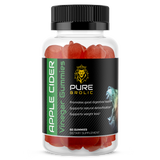
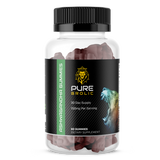
Capsules offer convenience for travel and for anyone who does not want to mix drinks. The trade-off is that you may need several capsules to reach an effective serving, and the cost per serving can be higher. Gummies are another convenient option, but read the Supplement Facts panel closely. A tasty format still needs to deliver a meaningful creatine dose without turning your supplement into a candy-level sugar habit.
Check the Dose, Not Just the Scoop Size
A standard daily creatine monohydrate serving is usually 3 to 5 grams. Many adults do well with 5 grams per day, while some smaller individuals may prefer 3 grams. The goal is not to take the biggest scoop. The goal is to take an evidence-based amount consistently.
Do not assume one scoop equals one full serving. Brands can use oversized scoops, proprietary blends, or serving sizes that require two scoops. Look for the actual grams of creatine listed clearly on the label. If you are comparing products, compare the amount of creatine per serving and the number of full servings in the container, not just the tub size.
You may have heard about a loading phase, where users take higher amounts for several days before dropping to a maintenance dose. Loading can saturate muscle stores sooner, but it is optional. Taking 3 to 5 grams daily gets you there too, just more gradually. For people who want a low-fuss routine, daily maintenance is often the better move.
Choose Clean Label Quality Over Flashy Claims
Creatine should not need a long ingredient list to do its job. A quality product will make it easy to see what you are getting, how much you are getting, and what else has been added. This is especially important if you are managing calories, avoiding certain sweeteners, or stacking creatine with protein, pre-workout, vitamins, or other wellness supplements.
Look for products made in facilities that follow good manufacturing practices, commonly shown as GMP-certified. Made in the USA, FDA-registered facility claims, and lab-tested quality statements can also provide useful trust signals. The FDA does not approve dietary supplements before they are sold, so responsible manufacturing and transparent labeling matter.
A quick label check should answer four questions:
- Is the form of creatine clearly named, ideally creatine monohydrate?
- Does each serving provide 3 to 5 grams of creatine?
- Are added ingredients clearly listed and relevant to your needs?
- Does the brand communicate meaningful quality and manufacturing standards?
Match Creatine to Your Actual Goal
If you lift weights, play sports, or do high-intensity training, creatine monohydrate is an easy fit. It can support the repeated efforts that make progressive training productive. Take it whenever you can remember it. Timing around your workout is convenient, but daily consistency matters far more than the exact minute you drink it.
If your focus is healthy aging, creatine may still make sense alongside resistance training, adequate protein, quality sleep, and a balanced diet. Muscle strength and function matter at every age. Creatine is not a replacement for movement, but it can be part of a routine built around staying capable, active, and strong.
If you are trying to lose weight, do not avoid creatine simply because the scale may rise early on. Creatine can increase water stored inside muscle cells. That is different from gaining body fat. Some people notice a modest increase in body weight, while others do not notice much at all. Focus on performance, measurements, energy, and how your clothes fit rather than letting one weigh-in make the decision.
For endurance-focused training, the benefits can be more situational. Creatine is generally most useful for activities with bursts of power, repeated hard efforts, strength work, or sprint finishes. If every ounce of body weight matters for a long-distance event, consider that potential water-weight change and decide based on your sport and priorities.
Know What to Expect in the First Few Weeks
Creatine works best as a steady habit, not a one-day test. Most people use it every day, including rest days. You can take it with a meal, in a shake, or at another reliable point in your routine. Pairing it with something you already do daily is the easiest way to stay consistent.
Some people experience mild stomach discomfort when they take too much at once or mix it in too little water. If that happens, use a smaller serving, split your dose, and make sure you are drinking enough fluids. Micronized creatine powder may also mix more smoothly, which can make daily use easier.
Creatine is widely used, but supplements are personal. If you are pregnant or nursing, have kidney disease, take prescription medications, or have a health condition that affects your nutrition plan, talk with a qualified healthcare professional before adding it. The strongest routine is one that fits your individual health needs.
Build a Routine You Can Keep
The best creatine is not the most complicated formula on the shelf. It is the one with a clear dose, dependable quality, and a format that fits your life. Start with a simple creatine monohydrate product, take it daily, train with purpose, and give your routine time to work.
Pure Brolic believes strength is built one consistent choice at a time. Choose the formula you can trust, keep showing up for your goals, and let your daily habits bring the Lions Roar energy.