



The best supplement routine is not the one with the most tubs on the counter. It is the one that helps you train harder when needed, recover well, and stay consistent long enough to see real progress. This guide to workout supplements cuts through the noise so you can build support around your goals, your schedule, and your current training.
Supplements can help fill gaps, but they do not replace protein-rich meals, quality sleep, smart programming, or showing up. Think of them as practical tools. Choose the right tool for the job, use it consistently, and let your work in and out of the gym do the heavy lifting.
Start With Your Goal, Not the Hype
A pre-workout built for hard training days may be useful for someone who needs focus and energy before a 6 a.m. lift. That same formula may be a poor fit for someone sensitive to caffeine, training late at night, or already struggling with sleep. Your goal determines the category that deserves your attention.
For most people, workout supplement decisions come down to a few needs: hitting daily protein, supporting strength and performance, improving workout energy, and making recovery easier. Broader wellness support, including multivitamins, collagen, stress support, or sleep formulas, can also matter because your performance is connected to how you feel the other 20-plus hours of the day.
Do not buy a product because it is popular in a fitness video. Ask a simpler question: what problem am I trying to solve? Low protein intake, flat workout energy, slow recovery, inconsistent sleep, or a nutrient gap all call for different solutions.
The Core Guide to Workout Supplements
Protein: Build the foundation first
Protein powder is not magic, but it is one of the most convenient ways to reach a daily protein target. Muscle tissue needs adequate protein to recover and adapt to resistance training. If meals already cover your needs, a shake is optional. If work, travel, appetite, or a packed schedule makes consistent meals difficult, it becomes a powerful convenience tool.
Whey isolate is a popular choice for people who want a fast-mixing, high-protein option with low amounts of carbs and fat. It can work well after training, between meals, or whenever your daily intake needs a boost. The timing is less important than your total intake across the day, so do not stress if your shake happens an hour after your workout instead of immediately.
Choose a protein product based on serving size, protein amount, flavor you will actually use, and how well it fits your digestion. The perfect formula does not help if it sits unopened in the cabinet.
Creatine: A proven strength staple
Creatine is one of the simplest additions for people focused on strength, power, muscle-building training, or preserving performance as they age. It helps support quick energy production during short, intense efforts like lifting, sprinting, and hard intervals.
A daily routine matters more than a complicated schedule. Many people use creatine every day, including rest days, to maintain consistent levels. It may cause a small increase in water held within muscle cells, which is normal and not the same as gaining body fat. Some people prefer to take it with a meal or shake simply because that makes the habit easier.
If you have a medical condition, take prescription medications, or have questions about kidney health, speak with a qualified healthcare professional before adding creatine or any new supplement.
Pre-workout: Use energy with intention
Pre-workout can be a game changer when you need a stronger push before training. Depending on the formula, it may support energy, focus, pumps, and training intensity. It is not required for a productive workout, though. If you feel energized by a meal, hydration, and a good playlist, you may not need it every session.
Caffeine tolerance is the biggest trade-off. Start with a lower serving if you are new to pre-workout, avoid stacking it with coffee and energy drinks, and pay attention to the clock. A powerful workout at 8 p.m. is not worth a restless night that hurts tomorrow's recovery. If sleep is already inconsistent, prioritize fixing that before relying on more stimulants.
Recovery support: Think beyond soreness
Recovery is more than reducing the ache after leg day. It includes replenishing fluids, getting enough food, sleeping deeply, and managing the total stress in your life. Protein supports muscle repair, while a balanced diet provides the carbohydrates, fats, vitamins, and minerals your body uses to perform.
Collagen may be a useful addition for people looking to support an active lifestyle, especially when joint and connective-tissue wellness are part of the conversation. It should not replace complete protein sources for muscle-building, since collagen has a different amino acid profile. Use each product for its intended role.
For hard, sweaty sessions, hydration matters too. Water is often enough for everyday training. Electrolyte support can make more sense during long sessions, hot-weather workouts, or activities that leave you drenched and depleted.
Wellness Supplements Still Count as Fitness Support
Your training results do not exist in a vacuum. Poor sleep can affect motivation, recovery, appetite, and workout quality. High stress can make a consistent routine feel harder than it needs to be. Nutrient gaps can leave you feeling less than your best even when your training plan is solid.
That is why a broader wellness routine can belong beside your gym staples. A multivitamin can offer practical coverage for busy adults whose meals are not perfect every day. Sleep support may fit someone who needs help establishing a better nighttime routine. Ashwagandha, testosterone support, and other targeted formulas are more personal choices, and results can vary based on the individual, the formula, and the habits surrounding them.
Be realistic about expectations. No gummy, capsule, or powder can outwork chronic sleep deprivation, a low-quality diet, or a training plan that does not match your current fitness level. But the right product can support the routine you are already building.
How to Choose Products You Can Trust
The supplement aisle rewards bold labels, so slow down long enough to read what is inside. Look for clear ingredient information, straightforward serving directions, and products made with quality standards you can recognize. Made in the USA, GMP-certified manufacturing, FDA-registered facilities, and lab-tested claims can be meaningful trust markers when you are deciding what earns a place in your routine.
Avoid the trap of starting five new products at once. Begin with one priority, such as protein or creatine, and use it consistently for several weeks. You will have a much better sense of whether it fits your body, schedule, and goals. Then add another tool only if it solves a real need.
Also consider your budget. A basic stack that you use every day beats an expensive pile of half-used products. For many gym-goers, protein and creatine are the practical starting point. For others, pre-workout is the missing piece. For adults balancing training with work, family, and changing wellness needs, sleep and daily health support may deserve equal attention.
Build a Routine That Works on Real Life Days
A simple routine is easier to maintain. You might use a protein shake after training or as an afternoon snack, take creatine daily with a meal, and reserve pre-workout for demanding sessions. If sleep is a focus, create a consistent wind-down routine rather than treating a sleep supplement as permission to scroll until midnight.
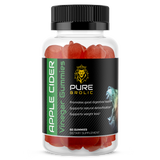
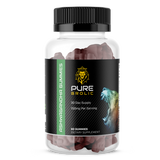
Pure Brolic is built for this bigger picture: performance when it is time to train, wellness when it is time to recover, and practical support for every stage of your progress. There is no need to train like a professional athlete to take your health seriously.
Read labels, respect serving sizes, and check with a healthcare professional if you are pregnant, nursing, managing a health condition, or taking medication. Then keep it simple. Pick the supplement that supports your next meaningful habit, put it where you will use it, and give that habit enough time to roar.