

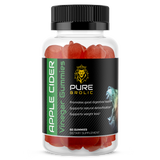
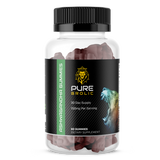


A supplement label can make big promises in a very small space. More energy. Better recovery. Stronger training. Deeper sleep. The real question is whether what is in the bottle matches what is on the label. This guide to supplement quality testing gives you a practical way to shop with confidence, whether you are choosing protein for your next training block, collagen for your routine, or a daily vitamin for long-term wellness.
Quality testing is not just a technical detail for elite athletes. It matters to anyone who wants their money, effort, and wellness routine to count. You do not need a chemistry degree to spot the trust signals that separate a thoughtfully made supplement from one that only looks good online.
What Supplement Quality Testing Actually Checks
Quality is more than a single lab result. A reliable supplement should be evaluated at several points, from incoming raw materials through the finished product. The strongest programs look at identity, potency, purity, and safety.
Identity confirms that an ingredient is actually what the label says it is. If a formula lists creatine monohydrate, ashwagandha, or vitamin D, identity testing helps verify that the correct ingredient entered the formula. This is especially relevant with botanical ingredients, where species, plant parts, and extracts can vary.
Potency checks whether the product contains the stated amount of key ingredients. A scoop of whey isolate should deliver the protein amount listed on the Nutrition Facts or Supplement Facts panel. A gummy with vitamins or sleep-support ingredients should contain meaningful levels through its stated shelf life, not merely when it first leaves production.
Purity and contaminant testing looks for things you do not want in your routine, such as heavy metals, harmful microbes, residual solvents, allergens not declared on the label, or other unwanted materials. The exact tests depend on the product. Protein powders, herbal formulas, gummies, and capsules each carry different testing considerations.
Stability testing asks an important longer-term question: does the formula hold up? Heat, humidity, oxygen, and time can affect ingredients. This is one reason expiration dates, storage instructions, and properly sealed packaging matter more than many shoppers realize.
A Guide to Supplement Quality Testing: Start With the Label
A clean, complete label is your first line of defense. It cannot prove every quality claim on its own, but it tells you whether the company is willing to be clear about what you are buying.
Look for a Supplement Facts panel that lists active ingredients and their amounts per serving. You should also see serving size, other ingredients, allergen information when applicable, directions, and a manufacturer or distributor name and address. A lot number and expiration or best-by date are strong practical signs that a company can trace products and manage inventory responsibly.
Be cautious with proprietary blends when the ingredients are listed without individual amounts. A blend is not automatically low quality, but it makes it harder to know whether you are getting an effective amount of each ingredient. If you are comparing pre-workouts, for example, you need to know how much caffeine, creatine, beta-alanine, or other featured ingredients you are actually taking.
Ingredient transparency is especially useful when you have specific needs. Maybe you avoid dairy, follow a plant-based routine, are sensitive to caffeine, or need to keep your formula simple. The label should help you decide, not make you guess.
Know What Certifications and Claims Mean
Terms such as “lab tested,” “GMP,” “FDA registered,” and “Made in the USA” can be useful signals. They are not all interchangeable, and they do not mean the same thing.
Good Manufacturing Practices, often called GMPs, are production standards designed to help ensure supplements are consistently manufactured, packaged, labeled, and held under appropriate conditions. A GMP-certified facility can be a meaningful trust marker because it points to documented systems around cleanliness, ingredient handling, records, and quality control.
An FDA-registered facility means the facility has registered with the FDA. It does not mean the FDA has approved every supplement made there. In fact, dietary supplements are generally not FDA-approved before they reach the market. That distinction matters because credible brands do not use regulatory language to create a false sense of approval.
Third-party certification can add another layer of confidence, especially for certain shoppers. Programs such as NSF Certified for Sport or Informed Sport are particularly relevant for competitive athletes and people subject to drug-testing rules. These programs focus on reducing the risk of banned substances, but their scope differs by program and product. Always verify that the specific item, not just the brand name, carries the certification.
USP verification is another term you may see on certain vitamins and minerals. It generally relates to identity, potency, purity, and manufacturing quality standards. Again, look closely at what applies to the exact product in your cart.
“Lab tested” is most meaningful when a brand can explain what was tested. Was the finished product checked for potency? Were raw materials screened for contaminants? Is testing performed by an independent lab, an in-house lab, or both? A vague badge alone is less helpful than a clear quality process.
Ask for Proof That Matches the Product
A certificate of analysis, often called a COA, is a document showing test results for a specific batch. It can be helpful, but it is not a magic pass. A useful COA should identify the product or batch, list the tests performed, and show results against specifications.
For a protein powder, testing may address protein content, microbiological safety, and heavy metals. For creatine, purity and identity may be central. For a botanical gummy, identity, active compound levels, microbes, and heavy metals may deserve closer attention. There is no single test panel that covers every product equally well.
If a brand makes a major quality claim but cannot explain its testing practices, take that as a reason to slow down. You are trusting that product with your daily routine. Straight answers are a fair expectation.
Match Your Testing Priorities to Your Goals
The right supplement is not always the one with the longest ingredient list. It is the one that fits your goal, your tolerance, and your routine.
For workout performance, prioritize fully disclosed dosages and ingredients you recognize. If you train later in the day, caffeine content and stimulant sensitivity matter. For recovery, protein quality, serving size, amino acid profile, and digestion may matter more than flashy packaging.
For daily wellness products such as multivitamins, collagen, ashwagandha, or sleep gummies, look for clear serving instructions and sensible formulas. More is not always better. High doses can be unnecessary, and certain nutrients or botanicals may interact with medications or health conditions. If you are pregnant, nursing, managing a health condition, or taking prescription medication, talk with a qualified healthcare professional before adding a new supplement.
Competitive athletes need an additional level of care. General contaminant testing is not the same as sport certification. If a failed drug test could affect your season, scholarship, career, or reputation, choose products specifically certified for sport and confirm that certification applies to the exact flavor and format you buy.
Watch for Red Flags Before You Buy
No single warning sign proves a product is bad, but patterns matter. Be wary of formulas that hide all dosages behind a blend, claims that promise instant or extreme results, and brands that describe testing without saying what they test for.
Also pause when the marketing sounds like a cure. Supplements can support nutrition, training, recovery, and wellness, but they are not a replacement for medical care, consistent meals, sleep, or smart programming. A company that treats supplements as part of a bigger routine is usually speaking more responsibly than one selling miracles.
Price deserves context, too. The cheapest option may use lower ingredient amounts, less expensive forms, or minimal testing. The most expensive option is not automatically superior either. Compare serving size, ingredient amounts, quality standards, and the cost per serving. That is where value becomes clearer.
Build a Routine You Can Trust
Quality testing helps you choose with more confidence, but consistency is where results are built. Start with the basics: a product that clearly matches your goal, a transparent label, sensible dosing, and quality claims you can understand. Then use it consistently alongside training, nourishing food, hydration, and recovery.
At Pure Brolic, strength is not reserved for one age, one body type, or one training style. It is built through informed choices repeated over time. Choose supplements with standards behind them, listen to your body, and give your routine the same focus you bring when it is time to roar.