

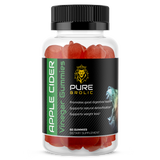
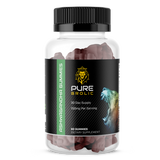


That tight, puffy feeling after a meal can throw off more than your comfort. It can make training feel heavier, affect your confidence, and leave you wondering why a clean meal did not feel so clean afterward. The best detox supplements for bloating are not about extreme cleanses or chasing a quick fix. They are about supporting the systems your body already uses to digest food, move waste regularly, and stay hydrated.
A smart approach starts with the right expectations. Bloating can come from a high-sodium meal, eating too quickly, constipation, food sensitivities, menstrual-cycle shifts, stress, or a sudden jump in fiber. A supplement may help support digestive comfort, but it cannot outwork a routine that regularly leaves you dehydrated, under-fueled, or eating on the run.
What “Detox” Should Mean for Bloating
Your liver and kidneys already do the heavy lifting when it comes to processing and clearing waste. A quality detox-style supplement should support the habits and nutrients involved in that process, not promise to flush everything out overnight.
For bloating, the most useful formulas usually focus on regularity, digestive function, hydration, and plant-based ingredients that help you feel less weighed down. That is a much stronger goal than relying on harsh stimulant laxatives or aggressive cleanse programs that can leave you cramping, dehydrated, and running to the bathroom.
The right choice depends on what is behind your bloat. If you feel backed up and irregular, fiber may be the better fit. If certain meals leave you uncomfortable, digestive enzymes could make more sense. If you have been eating salty restaurant food and drinking less water than usual, hydration and potassium-rich foods may do more for you than any capsule.
Best Detox Supplements for Bloating: Ingredients to Know
Fiber for regularity and daily support
Fiber is one of the most practical tools for digestive wellness. Soluble fibers, including psyllium husk, absorb water and form a gel-like texture that can support more consistent bowel movements. When waste moves regularly, some people notice less lower-belly fullness and less of that sluggish feeling.
The trade-off is simple: too much fiber too fast can make bloating worse. Start with a small serving, drink plenty of water, and give your body several days to adjust. If your daily meals are low in fruits, vegetables, beans, oats, and whole grains, gradual fiber support can be a game changer.
Digestive enzymes for meal-related discomfort
Digestive enzymes help break down components of food. Common options include protease for protein, lipase for fats, amylase for carbohydrates, lactase for lactose, and alpha-galactosidase for certain carbohydrates found in beans and cruciferous vegetables.
They are especially worth considering when bloating tends to show up after larger meals or after foods you know are harder for you to digest. For example, lactase may help someone who gets uncomfortable after dairy, while a broad-spectrum enzyme blend may be useful for varied meals. Enzymes are not a free pass to ignore a food intolerance, but they can be a practical support tool.
Probiotics for long-term gut balance
Probiotics are beneficial bacteria that may support a healthy gut microbiome. Some people find that a consistent probiotic routine supports regularity and occasional gas, especially after travel, changes in diet, or a period of inconsistent eating.
This is not always an instant-results category. It may take a few weeks to know whether a probiotic works for you, and some people experience temporary extra gas when they first start. Look for clearly listed strains and a formula designed for daily use instead of treating probiotics like a one-day rescue move.
Ginger and peppermint for digestive comfort
Ginger has a long history of use for digestive comfort and can be a solid addition to a bloat-support routine. It may feel especially helpful after a heavier meal or when your stomach feels unsettled. Peppermint is another familiar option that some people use for occasional gas and abdominal discomfort.
These ingredients are best viewed as comfort support, not a cure-all. Peppermint may not be ideal for everyone, particularly those who deal with frequent reflux, because it can relax the muscle between the stomach and esophagus.
Dandelion and gentle botanical blends
Dandelion is often included in detox formulas because it has traditionally been used to support fluid balance and digestion. It can be a reasonable choice when you feel temporarily puffy after a sodium-heavy weekend, but it should not replace hydration or become your daily answer to water retention.
Be selective with blends that pile on multiple herbs without clear amounts. A transparent label lets you see what you are taking and makes it easier to identify what is helping. If a formula hides everything in a proprietary blend, you have less control over your routine.
What to Skip in a Bloating Detox Formula
A strong wellness routine is built for consistency, not punishment. Be cautious with products that promise dramatic weight loss, claim to “cleanse toxins” in a day, or rely heavily on stimulant laxatives such as senna. These may create a temporary bathroom effect, but that is not the same as supporting a healthy digestive system.
Also watch for mega-dose fiber formulas if you are new to fiber, especially when you do not drink much water. More is not automatically better. The goal is to feel steady, energized, and comfortable enough to show up for your workouts and your life.
If you take prescription medication, are pregnant or nursing, have kidney disease, inflammatory bowel disease, or ongoing digestive symptoms, check with a qualified healthcare professional before starting a detox or digestive supplement. Severe abdominal pain, blood in stool, unexplained weight loss, persistent vomiting, or sudden changes in bowel habits need medical attention, not another supplement.
Build a Routine That Actually Helps
Supplements work best when they back up simple daily habits. Start your morning with water, eat meals slowly enough to chew properly, and avoid making every meal a high-sodium convenience meal. A short walk after eating can also support digestion and help you feel less heavy.
Keep your nutrition consistent around training. Many active people swing between ultra-clean weekdays and oversized weekend meals, then blame a supplement when bloating hits. You do not need perfection. You need enough protein, produce, fiber, water, and regular meal timing to give your digestion a predictable rhythm.
If you are testing a new formula, introduce one product at a time. That gives you a real read on what your body responds to. Track when bloating happens, what you ate, your hydration, sleep, stress level, and bowel regularity for a week or two. Patterns usually tell you more than guesswork.
How to Choose Your Formula With Confidence
Choose products made in facilities that follow quality manufacturing standards, with labels that clearly show active ingredients and serving sizes. Avoid miracle language. Look for ingredients that match your specific goal, whether that is fiber for regularity, enzymes for meal support, or probiotics for a daily gut-health routine.
At Pure Brolic, the mindset is bigger than a temporary cleanse. Feeling strong means supporting the basics that let you train hard, recover well, and move through your day with confidence. The best supplement is the one that fits your body, your schedule, and the healthy habits you can repeat.
A lighter feeling is not something you have to chase with extremes. Give your body steady support, stay patient with the process, and let your daily routine do what quick-fix detoxes never can.