

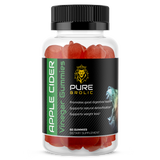
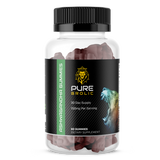


A supplement label should not feel like a guessing game. When you are choosing protein for recovery, creatine for strength, gummies for sleep, or vitamins to fill everyday gaps, you deserve to know what is in the bottle and why it is there. That is what supplement transparency is all about: clear information that helps you make a confident choice for your body, your routine, and your goals.
Big promises may catch your eye, but the details earn your trust. A great formula does not need to hide behind vague blends, tiny serving sizes, or labels that leave more questions than answers. Whether you are chasing a new personal record, building strength as you age, or simply trying to feel more energized each day, knowing what you take matters.
What Supplement Transparency Really Means
Supplement transparency means a brand gives customers a straightforward view of a product before they buy it. That starts with an accurate Supplement Facts panel, but it goes further. You should be able to see active ingredients, amounts per serving, serving size, suggested use, and other ingredients such as flavoring agents, sweeteners, capsules, or gummy bases.
Transparency also includes honest positioning. Supplements can support a healthy routine, but they are not magic. Protein powder can make it easier to reach a daily protein target. Creatine can support strength and high-intensity training performance when used consistently. Sleep-focused ingredients may help support a relaxing nighttime routine. None of those products replaces training, balanced meals, sleep, or guidance from a qualified healthcare professional when you need it.
For Pure Brolic customers, this is especially relevant because wellness is not one-size-fits-all. A 22-year-old building a gym habit, a busy parent trying to recover better, and an active adult focused on healthy aging may all use supplements differently. Clear labels make it easier to choose what fits your season of life instead of buying based on hype.
Start With the Supplement Facts Panel
The Supplement Facts panel is where the real conversation begins. Front-label claims can point you toward a benefit, but the facts panel tells you what you are actually getting. Check the serving size first. A scoop, two capsules, or four gummies can all be a serving, and that changes how you interpret every amount listed below it.
Then look at the active ingredients and their quantities. If you are buying whey isolate protein, the grams of protein per serving matter. If you are buying creatine, look for the amount of creatine in each serving. If you are choosing a multivitamin, review the nutrients and daily values to understand where it may fit alongside your diet.
This is also the place to check for ingredients that matter personally to you. Some people prefer to avoid certain sweeteners, allergens, animal-derived ingredients, or stimulants. Others need to pay attention to caffeine content, especially if they train later in the day or already drink coffee. There is no universal perfect label. There is a label that works for your needs.
Watch for Proprietary Blends
A proprietary blend lists a group of ingredients under one combined amount rather than showing the amount of each individual ingredient. That does not automatically mean a product is low quality. In some cases, brands use blends to protect a formula concept.
Still, there is a trade-off. You cannot tell exactly how much of each ingredient you are taking. For customers who want to compare formulas, manage sensitivities, or follow a specific routine, individually disclosed amounts provide more control. If knowing your dose matters to you, choose products that spell it out.
Know the Difference Between Active and Other Ingredients
Active ingredients are usually the reason you are buying the product. Other ingredients help create the finished product's flavor, texture, stability, color, or delivery format. In a collagen powder, for example, the collagen amount may be the main focus, while natural flavors and sweeteners shape the experience of using it every day.
Neither category should be ignored. A supplement only helps if you can use it consistently, and flavor or format can make a real difference. The goal is not to fear every ingredient with a long name. The goal is to have enough information to decide whether the full formula fits your preferences.
Testing and Manufacturing Matter
Supplement transparency is not only about what appears on the label. It is also about the standards behind the product. Customers should look for clear manufacturing and quality signals, including products made in GMP-certified facilities. Good Manufacturing Practices are designed to support consistent production processes and quality controls.
Made in the USA and facility registration can also be useful trust markers when presented accurately. They tell you more about where a product is produced and the standards a company says it follows. But smart shopping means understanding what those claims do and do not mean. FDA-registered facilities are not the same as FDA approval of a supplement, and no responsible brand should blur that line.
Lab tested claims can add another layer of confidence, particularly when a brand is clear about what testing covers. Testing may involve identity, purity, potency, microbial screening, or contaminants. The exact testing approach varies by product and manufacturer, so avoid assuming one short claim guarantees every possible quality check. Ask practical questions and look for brands that communicate plainly rather than making vague perfection promises.
For competitive athletes, the standard may need to be even higher. If you are subject to drug testing, speak with your coach, sports dietitian, or healthcare provider and look for products that align with the requirements of your sport. A general wellness supplement may not be the right choice for every tested athlete.
Claims Should Be Clear, Not Loud
The supplement aisle is full of bold language: extreme energy, rapid transformation, total detox, instant recovery. Confidence is great. Claims that sound too good to be true deserve a closer look.
Responsible supplement messaging focuses on support. A pre-workout may support energy and focus for training. A protein supplement may support muscle recovery and daily protein intake. Ashwagandha may support stress management as part of a balanced lifestyle. Those are very different from claims that promise to cure conditions, replace medical treatment, or deliver overnight body changes.
Your body has context. Results depend on your training, food intake, sleep, health history, medication use, and consistency. Someone who trains hard four days a week may want a different pre-workout approach than someone taking an evening walk after work. Someone managing a health condition or taking prescription medication should check with a healthcare professional before adding a new supplement, especially herbal, hormone-support, stimulant, or high-dose nutrient formulas.
A Better Way to Shop for Supplements
Before adding anything to your cart, get clear on the job you want it to do. Are you trying to make protein intake easier? Support workout performance? Build a calmer bedtime routine? Cover a nutrient gap? A specific goal makes it easier to avoid buying a cabinet full of products that overlap or do not match your needs.
Next, compare labels by serving, not just by container size or front-label language. Consider how often you will realistically use the product and whether its format fits your life. Powder can be a strong value and easy to customize, while capsules and gummies may win on convenience. The best choice is often the one you will actually take consistently.
Finally, give your routine time. Start with one new product when possible, follow the suggested use, and pay attention to how you feel. More is not always better. A focused stack built around your real needs can be more useful than chasing every new trend.
Transparency Builds Stronger Routines
You do not need a nutrition degree to shop with confidence. You need a clear goal, a readable label, realistic expectations, and a brand willing to show its work. Those basics help you spend with intention and build a routine that supports strength, recovery, health, and vitality.
Your progress deserves more than flashy promises. Choose supplements with information you can understand, standards you can evaluate, and formulas that fit the work you are already putting in. That is how everyday wellness gets stronger - one informed choice at a time.