



The difference between a strong session and a flat one often comes down to recovery, fueling, and consistency - not just effort. If you have ever wondered what supplements are best for athletes, the short answer is this: the best ones support your goal, fill a real gap, and fit your routine well enough that you will actually use them.
That matters whether you are chasing a new PR, getting back into training, playing rec league sports on weekends, or simply trying to feel stronger and recover better with age. Not every athlete needs a huge stack. Most people do better with a few proven basics they can trust.
What supplements are best for athletes based on the goal?
Athletes do not all need the same thing. A lifter pushing for size and strength has different needs than a runner training for endurance or an adult trying to protect muscle, sleep better, and stay active long term. The smartest way to choose is by matching the supplement to the job.
If your main focus is performance in the gym, the core picks are usually creatine, protein, and a pre-workout that helps with energy and focus. If recovery is your weak point, protein, hydration support, sleep support, and sometimes collagen can make more sense. If you train hard but your overall health is shaky, a multivitamin or stress support formula may deserve a place before another flashy performance product.
That is where a lot of people waste money. They buy for hype instead of need. Strong supplementation starts with honesty about what is missing.
Creatine is still one of the best places to start
For most athletes, creatine is one of the easiest yes decisions. It is widely used for strength, power output, training capacity, and muscle support. It also works well for a broad range of people, from serious lifters to active adults who want better performance and better recovery from demanding sessions.
The big advantage is that creatine is not a one-workout trick. It builds over time with consistent use. That makes it different from products that give you a fast jolt and then fade. If you train regularly and want something with everyday value, creatine belongs near the top of the list.
There are trade-offs, of course. Some people notice mild water retention, especially early on, and others expect instant results and give up too soon. But if your goal is strength, power, or muscle support, creatine is hard to beat.
Protein helps athletes recover and grow
When people ask what supplements are best for athletes, protein is always in the conversation for a reason. Training breaks tissue down. Protein helps rebuild it. It is useful for muscle growth, recovery, satiety, and maintaining lean mass when calories are lower.
A quality whey isolate is especially practical because it is convenient, easy to digest for many people, and fast to use after training or during a busy day. That convenience matters more than people think. The best nutrition plan is the one you can stick to when work is hectic, your workout ran late, or cooking is not happening.
Protein powder is not magic, and it does not replace real food. If you already hit your protein needs through meals, you may not need much supplemental protein. But for athletes who struggle to get enough in, it is one of the most useful tools on the shelf.
Pre-workout can be a great tool when energy is the issue
Some athletes do not need more motivation. They need more usable energy at the right time. That is where pre-workout can earn its place.
A good pre-workout is typically used to support focus, drive, training intensity, and that ready-to-go feeling before a workout. If you train early, train after long workdays, or often show up feeling half-charged, this category can make a real difference in session quality.
Still, this is where context matters. If your sleep is poor and your hydration is weak, pre-workout can start covering up a bigger problem instead of fixing it. Stimulant-heavy formulas also are not ideal for everyone, especially if you are sensitive to caffeine or train late at night. The move is to use pre-workout as a performance tool, not as a substitute for recovery.
Electrolytes and hydration support are underrated
Athletes love to talk about muscle, but hydration often gets ignored until performance drops. Even mild dehydration can affect endurance, output, focus, and recovery. If you sweat heavily, train in the heat, or have long sessions, hydration support is not optional.
This does not mean every person needs a complicated formula for every workout. But electrolytes can be especially useful for endurance training, high-volume sessions, sports practices, and physically demanding days where water alone may not be enough. They can also help athletes who feel drained, cramp-prone, or slow to bounce back.
Hydration is one of those basics that does not always look exciting in a shopping cart. It still matters. Often a lot.
Recovery support goes beyond protein
Hard training only pays off if you can come back and do it again. That is why recovery supplements deserve more attention.
Protein handles one part of the equation, but sleep support and stress support matter too. Athletes with poor sleep often feel it everywhere - lower output, slower recovery, worse cravings, and less consistency. A sleep support gummy or calming wellness product can make sense if the real bottleneck is not your workout but what happens after it.
Ashwagandha is another option many active adults look at for stress support and general wellbeing. It is not a direct performance booster in the same way creatine is, but it may fit well for people whose training is being affected by stress, poor recovery, or feeling run down. That is the broader truth with supplementation: performance and wellness are connected.
What supplements are best for athletes over time?
The best stack at 22 is not always the best stack at 42. Younger athletes often focus on energy, pumps, muscle gain, and fast recovery. Older athletes may care just as much about maintaining strength, supporting joints, sleeping well, and staying active without feeling wrecked after every session.
That is why general health products can still matter for athletic performance. A quality multivitamin may help cover nutrient gaps. Collagen may appeal to active adults focused on connective tissue support, skin, and healthy aging. Testosterone support products may be part of the conversation for some men, though expectations should stay realistic and individual needs vary.
The bigger point is simple: athletes are not only people on a field or in a weight room. They are also adults trying to build a stronger life. Supplements that support long-term vitality can be just as valuable as the ones that support one workout.
How to build a supplement routine that actually works
Most athletes do not need ten products. They need a smart foundation. Start with your goal, then look at where your current routine breaks down.
If you want strength and muscle, creatine and protein are the usual foundation. If your biggest struggle is getting fired up to train, pre-workout may deserve a spot. If recovery is rough, add sleep or stress support. If you train hard but eat inconsistently, a multivitamin can help support the bigger picture.
This is also where quality matters. You want supplements from brands that make trust easy, with clear formulas and quality signals like Made in the USA, lab tested, and production in GMP-certified and FDA-registered facilities. Athletes put enough stress on their bodies already. Guesswork should not be part of the plan.
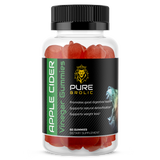
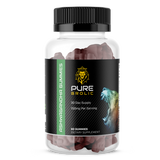
For shoppers who want fitness support without bouncing between a dozen brands, Pure Brolic fits that one-stop-shop lane well by combining sports nutrition with everyday wellness support.
The supplements athletes usually do not need first
It is easy to get pulled toward trendy formulas that promise everything at once. Most of the time, those should not be your first buy. If you are not already covering protein, hydration, recovery, and basic performance support, niche products are usually skipping the line.
That does not mean those products never help. It just means they work better when the fundamentals are already in place. The athletes who make the best progress are often not the ones with the biggest supplement cabinet. They are the ones who stay consistent with the basics.
The strongest move is to think like an athlete, not just shop like one. Choose supplements that fit your training, your life, and your next level. Then give them enough consistency to do their job.