



If your cabinet is full of half-used tubs, random gummies, and a pre-workout you only trust on desperate days, you’re not alone. The real question is what sports supplements actually work - not what sounds intense on a label, but what can genuinely help you train harder, recover better, and stay consistent.
The short answer is this: a small group of supplements does most of the heavy lifting. Protein powder, creatine, caffeine, electrolytes, and a few recovery-focused basics have real value when they match your goal, your routine, and your diet. Everything else depends on context.
What sports supplements actually work for most people
A lot of the supplement market sells excitement first and results second. That does not mean supplements are useless. It means you need to separate proven support from flashy packaging.
For most active adults, the best-supported supplements are the ones that solve common problems. Not eating enough protein? Protein powder can help. Want more power output and better gym performance over time? Creatine is a standout. Need a boost before training? Caffeine works. Sweating heavily or training in heat? Electrolytes matter.
That may not sound glamorous, but it’s good news. You do not need a shelf full of products to make progress. You need the right few, used consistently.
Start with your goal, not the label
The fastest way to waste money is buying supplements based on marketing instead of need. Someone training for muscle gain has different priorities than someone trying to improve endurance, bounce back faster, or support healthy aging while staying active.
If your main goal is building muscle and strength, protein and creatine usually deserve the most attention. If your issue is low training energy, pre-workout formulas can help, but the active ingredient doing the heavy lifting is often caffeine. If recovery is where you struggle, protein, hydration, sleep support, and overall nutrient intake matter more than exotic formulas.
This is where people get tripped up. They look for a single miracle product when the better move is matching the supplement to the bottleneck.
Protein powder is useful because consistency wins
Protein powder works, but not because it is magical. It works because hitting your daily protein target is one of the most reliable ways to support muscle repair, growth, and recovery.
If you already get plenty of protein from whole foods every day, a shake is mostly convenience. That is still valuable. Convenience keeps routines strong, and strong routines build results. For busy schedules, post-workout nutrition, or anyone who struggles to eat enough protein, whey isolate is one of the most practical tools in sports nutrition.
It also helps a broader group than many people realize. Younger gym-goers use it to support muscle gain. Older adults can use it to help protect lean mass and maintain strength. People returning to training often find it easier to stay on track when one part of the day is simple.
The trade-off is straightforward. Protein powder supports your goals, but it cannot make up for poor training, low total calories when trying to grow, or inconsistent habits.
Creatine is still one of the best bets in the game
If there is one supplement that keeps proving itself, it is creatine monohydrate. It is well known for supporting strength, power, and high-intensity performance, and it can also help with muscle fullness and training volume over time.
This matters because better training sessions add up. Creatine does not build muscle by itself. It helps you perform at a level that makes muscle and strength gains more likely when your training and nutrition are dialed in.
It is also one of the most inclusive supplements out there. It is not just for bodybuilders. Recreational lifters, active adults, women, older adults, and people training for general performance can all potentially benefit.
Some people notice mild water retention, especially at the start, and some skip it because they misunderstand that effect. In reality, that initial water is usually stored in muscle tissue, not the same thing as unwanted body fat gain. For many people, it is a smart daily staple.
Pre-workout can help, but ingredients matter more than hype
Pre-workout is where branding gets loud. Some formulas absolutely help. Some are mostly flavor, coloring, and promise.
What makes pre-workout effective is usually not mystery. Caffeine is the main driver for energy, focus, and perceived effort. Depending on the formula, you may also see ingredients aimed at endurance, blood flow, or reduced fatigue. But if a pre-workout works for you, caffeine is often a big reason why.
That means two things. First, pre-workout can be worth it if you train early, feel flat going into workouts, or need help bringing intensity. Second, more is not always better. High-stim formulas can leave some people jittery, disrupt sleep, or make them feel great for 30 minutes and drained later.
A good pre-workout should support your session, not wreck the rest of your day. If your sleep is already shaky or you train at night, stim-heavy products may create more problems than they solve.
Electrolytes work when sweat loss is real
Electrolytes are underrated because they look less exciting than muscle-building products. But if you train hard, sweat heavily, work out outdoors, or do longer endurance sessions, they can make a real difference.
They help support hydration, muscle function, and performance when fluid loss climbs. A lot of people think they need fancy hydration products for every gym session. They usually do not. For shorter, lighter workouts, water may be enough. For intense sessions, hot conditions, or repeated sweating, electrolytes become much more useful.
This is one of those it-depends categories. The more sweat you lose, the more relevant they are.
Recovery support is bigger than one product
People love the idea of a recovery shortcut. Real recovery is less dramatic. It usually comes down to protein, hydration, sleep, and overall daily nutrition.
That said, some supplements can support the process. Protein helps repair tissue. Creatine can support training capacity and recovery over time. Sleep-focused formulas may help people who struggle to wind down, and that matters because recovery starts where quality sleep begins.
There are also wellness supplements that may support the bigger picture. Ashwagandha, for example, gets attention for stress support and overall balance. Collagen may make sense for people focused on joint support, connective tissue, or beauty-and-wellness goals alongside training. These can be useful, but they are not substitutes for the core basics.
Think of them as support players, not the starting lineup.
What usually matters less than people think
A lot of sports supplements live in the gray zone. They may help a little, help certain people, or simply sound more effective than they are.
That does not mean they are scams. It means expectations should stay realistic. Many “muscle builders,” “fat burners,” or “anabolic” blends are built on aggressive marketing and underdosed ingredient panels. You may feel something, especially if stimulants are involved, but feeling a rush is not the same as getting meaningful long-term results.
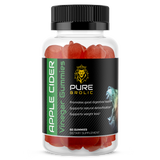
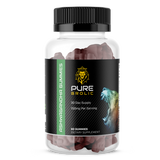
This is where trust matters. Look for brands that emphasize quality, transparency, and manufacturing standards, not just loud claims. Pure Brolic fits that lane well by focusing on everyday performance and wellbeing, not just extreme gym promises.
How to tell if a supplement is worth buying
A good sports supplement should pass a simple test. It should solve a clear problem, fit your goal, and be easy to use consistently.
If you cannot explain what the product is supposed to do for you, skip it. If you already cover that need through food, sleep, and routine, it may not be necessary. If the label sounds dramatic but the benefits are vague, that is a red flag.
The best supplements are usually boring in the best way. They have a clear job. They support performance, recovery, or consistency. They earn their spot in your routine instead of demanding faith.
A simple stack that makes sense
Most people do better with a short, focused stack than a complicated one. For muscle and training support, whey isolate, creatine, and a pre-workout with a sensible caffeine dose can cover a lot. For hydration and performance in tough conditions, add electrolytes. For broader wellness, the right multivitamin or sleep support product may help fill gaps that affect how you feel and perform.
That is enough for a lot of active adults. You do not need to supplement like a professional athlete to see results. You need to stay honest about what your body needs and consistent enough to let the basics work.
The strongest routine is not the most expensive one. It is the one you can stick with - the one that helps you show up, train with purpose, recover well, and keep building from where you are right now.