



You do not need to be training for a marathon or stepping on a bodybuilding stage to ask, what is sports nutrition? If you want better workouts, steadier energy, faster recovery, or more support for strength as you age, sports nutrition already matters to you.
At its core, sports nutrition is the strategy of using food, hydration, and supplements to support physical performance, recovery, and body function. That sounds simple, but the real value is in how it helps you match what your body needs to what your routine demands. A casual lifter, a busy parent trying to stay active, and a serious athlete may all use sports nutrition, but not in exactly the same way.
What Is Sports Nutrition and Who Is It For?
A lot of people hear the phrase and think it only applies to elite athletes. That idea is outdated. Sports nutrition is for anyone whose goals involve movement, strength, endurance, body composition, or recovery. If you exercise three times a week and want to feel stronger, it applies to you. If you want to hold onto muscle, sleep better, and keep your energy up as life gets busier, it applies to you too.
The goal is not just to eat more protein or grab a pre-workout and hope for the best. Good sports nutrition lines up your intake with your output. It helps fuel training, repair muscle tissue, replace what you lose through sweat, and support consistency over time. That last part matters more than most people realize. A perfect meal plan for one week will not beat a realistic routine you can follow for six months.
The Three Big Jobs of Sports Nutrition
Sports nutrition usually comes down to three priorities: fuel, recovery, and adaptation. Fuel is what helps you perform in the moment. Recovery is what helps you bounce back after training. Adaptation is what helps your body improve over time, whether that means building muscle, increasing stamina, or getting stronger.
Carbohydrates are your body’s preferred fast energy source, especially during hard training. They help power lifting sessions, runs, sports, and high-output workouts. Protein supports muscle repair and growth, which is why it gets so much attention. Fats also matter because they support hormones, cell health, and longer-lasting energy, especially outside of intense training windows.
Then there is hydration, which too many people treat like an afterthought. Even mild dehydration can drag down energy, focus, endurance, and recovery. If you sweat heavily or train in the heat, fluids and electrolytes can make a real difference.
Food First, but Not Food Only
A strong sports nutrition approach starts with real food. Meals give you the full package - calories, macronutrients, vitamins, minerals, fiber, and satisfaction. Lean proteins, carbs like rice, oats, fruit, and potatoes, healthy fats, and plenty of fluids build the foundation.
That said, supplements can absolutely have a place. They are not magic, and they do not replace habits, but they can make consistency easier. That is why they are so popular. A whey isolate shake can help you hit your protein goal when you are short on time. Creatine can support strength, power, and muscle performance. Pre-workout can help with energy, focus, and training intensity when used appropriately.
The trade-off is that convenience can sometimes create overconfidence. Taking a scoop of something does not erase poor sleep, under-eating, or random meal patterns. The strongest routines use supplements as support, not as a shortcut.
What Sports Nutrition Looks Like in Real Life
This is where things get more practical. Sports nutrition is not one fixed plan. It changes based on your body, your goals, and your schedule.
If your goal is muscle growth, you usually need enough daily protein, enough total calories, and smart meal timing around training. If your goal is endurance, carbohydrate intake and hydration often become bigger priorities. If your goal is weight loss while keeping muscle, protein stays high, calories are more controlled, and recovery becomes even more important because your body has fewer resources to work with.
Age also changes the picture. A 22-year-old trying to add size may tolerate inconsistent sleep and still make progress for a while. A 45-year-old balancing work, training, and recovery usually needs a more deliberate plan. Recovery support, stress management, sleep quality, and nutrient sufficiency become more valuable with time.
That is one reason sports nutrition has grown beyond hardcore gym culture. It is not only about peak performance anymore. It is also about healthy aging, daily energy, and staying strong enough to keep doing what you love.
Timing Matters, but Not as Much as the Internet Says
People love arguing about the perfect time to eat. The truth is less dramatic. Daily totals usually matter more than minute-by-minute timing.
If you consistently under-eat protein, the exact second you drink your shake will not save you. If you never hydrate properly, sipping electrolytes only during one workout will not solve the bigger issue. Still, timing can help.
Eating some carbs and protein before training can support energy and reduce the chance of feeling flat during your workout. Getting protein after training can support muscle repair. Hydrating before, during, and after exercise helps maintain performance and recovery. These are useful edges, not complicated rules.
For most people, simple beats perfect. Eat balanced meals through the day. Have protein regularly. Use carbs strategically when training demands are higher. Stay hydrated before thirst becomes a problem.
Common Sports Nutrition Supplements
Not every supplement deserves the hype, but a few categories have stuck around because they are practical and well known.
Protein powder is the most obvious one. It helps fill gaps when whole-food protein intake falls short. Whey isolate is popular because it is fast, convenient, and high in protein with minimal extras.
Creatine is one of the most widely used sports nutrition supplements for strength and power support. It is simple, effective, and useful for more than just bodybuilders. People focused on muscle, performance, and training quality often keep it in their routine year-round.
Pre-workout formulas are built for energy, focus, and workout intensity. They can help, especially on low-motivation days or early mornings, but they are not ideal if your sleep is already poor or if you are sensitive to stimulants.
Electrolytes matter more when sweat loss is high, workouts are long, or heat is a factor. They are less essential for everyone doing a short easy session in air conditioning. This is one of those areas where context matters.
What Is Sports Nutrition Without a Goal?
Not much, honestly. Sports nutrition works best when it serves a clear purpose. Otherwise, it becomes random buying, random eating, and random results.
Ask yourself what you actually want. More strength? Better endurance? Leaner body composition? Faster recovery? Less soreness? Better workout energy? Once that goal is clear, your nutrition choices become easier to organize.
A person focused on recovery may prioritize protein, hydration, sleep support, and overall nutrient intake. Someone chasing training intensity may care more about pre-workout fuel, carbs, and hydration. Someone trying to age well may care about protein, joint support, collagen, micronutrients, and maintaining muscle over time.
That is why the best sports nutrition plan is rarely the most extreme one. It is the one that fits your actual life.
Mistakes People Make With Sports Nutrition
The biggest mistake is thinking more is always better. More protein, more stimulants, more supplements, more restriction - that mindset can backfire fast.
Another common mistake is chasing products before fixing basics. If meals are inconsistent, sleep is low, and water intake is weak, adding three new supplements may not move the needle much. There is also the trap of copying someone else’s plan. Your favorite influencer’s routine may be built around a body, budget, and schedule that looks nothing like yours.
It is also easy to overlook trust and quality. If you use supplements, choose products from brands that emphasize manufacturing standards, testing, and transparency. That confidence matters when something becomes part of your daily routine.
Building a Simple Sports Nutrition Routine
Start with the basics you can actually repeat. Get enough protein across the day. Eat quality carbs around training when performance matters. Include healthy fats in your meals. Drink enough water consistently. If you sweat a lot, think about electrolytes. If convenience is an issue, use supplements to fill gaps, not to replace everything.
From there, make small upgrades based on your goals. A protein shake after training might help you recover better. Creatine might support your strength plan. A pre-workout might help on demanding training days. For a lot of people, that kind of straightforward routine works better than trying to follow a complicated plan they will quit in two weeks.
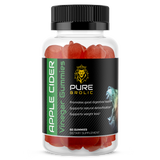
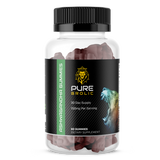
At Pure Brolic, that is the mindset behind smart supplementation - practical support for performance, recovery, and everyday wellbeing, without pretending everyone lives like a pro athlete.
Sports nutrition is not about eating like a machine. It is about giving your body what it needs to perform, recover, and keep building momentum. Start where you are, support the goals that matter to you, and let your routine get stronger with you.