



The bar does not care how motivated you felt before you walked into the gym. It responds to consistent training, enough food, quality sleep, and a recovery plan you can repeat. Supplements for strength training fit into that plan by helping you show up with more energy, hit your protein target, and support the work your body does between sessions.
They are not magic powder, and they do not replace hard sets, progressive overload, or real meals. They can make a meaningful difference when they solve a real gap in your routine. The best stack is not the biggest one. It is the one that matches your goals, your schedule, and your ability to use it consistently.
Build Your Strength Training Supplement Foundation
Start with the basics before chasing a long list of products. For most lifters, protein and creatine are the two most practical places to begin because they support the outcomes strength training is built around: muscle growth, performance, and recovery.
Protein: make recovery easier to repeat
Training creates the signal for your muscles to adapt. Protein provides the amino acids your body uses to repair and build tissue afterward. If you regularly eat enough protein from chicken, fish, eggs, dairy, tofu, beans, or other whole-food sources, a protein shake is not mandatory. But convenience is a serious advantage when work, family, travel, or a packed training schedule gets in the way.
Whey isolate is a popular choice because it is easy to mix, typically lower in lactose than whey concentrate, and delivers a high-quality protein source after training or whenever a meal is not practical. It is not just a post-workout product. A shake at breakfast, between meetings, or after an evening lift can help you reach your daily target without turning every meal into a math problem.
Your ideal intake depends on body size, training volume, food preferences, and goals. Many people who train for strength do well with roughly 0.7 to 1 gram of protein per pound of body weight daily. You do not have to hit a perfect number every day. Aim for a reliable baseline and spread protein across your meals.
Creatine: strength support with staying power
Creatine monohydrate is one of the most researched supplements in sports nutrition. It helps replenish energy used during short, high-intensity effort - the kind of effort behind hard squats, explosive presses, heavy pulls, sprints, and repeated sets.
For strength training, that can mean more quality reps over time, better training output, and support for lean mass gains alongside a solid program. A simple daily serving is the move. Timing is far less important than taking it consistently, including on rest days.
Some people choose a loading phase, but it is optional. Taking a standard daily amount will still build up your stores over time. You may notice a small increase on the scale early on because creatine draws water into muscle cells. That is not the same thing as body fat gain. Drink enough water and give it a few weeks before judging results.
Supplements for Strength Training Before the Gym
The best pre-workout is the one that helps you train with focus without wrecking your sleep later. On an early morning or post-workday lift, a well-formulated pre-workout can provide a useful lift in energy and drive. Caffeine is often the headline ingredient, and for good reason: it can improve alertness and make tough training feel more manageable.
But more stimulant is not automatically better. If you are sensitive to caffeine, train at night, deal with anxiety, or already drink several coffees a day, a high-stimulant product may work against your recovery. Start with a lower amount, assess your tolerance, and avoid treating pre-workout like a substitute for sleep.
Look beyond the hype on the front of the tub. You want clear labeling and ingredients with a purpose, such as caffeine for energy and compounds that support training performance or blood flow. You also want to know exactly how your body responds. The tingles, the rush, and the flavor are not the goal. A productive training session is.
On lower-energy days, the simplest pre-workout support may be a balanced meal with carbs and protein, plus water and electrolytes if you have been sweating heavily. Supplements should make a good routine easier, not cover up a routine that is running on empty.
Recovery Is Bigger Than Your Post-Workout Shake
A hard session is only half the job. Strength is built while you recover, which means your supplement routine should support the rest of your life too. Sleep, hydration, calorie intake, stress management, and basic nutrition have a major say in how ready you feel for the next workout.
If sleep is a struggle, start with your schedule before adding anything: consistent bedtime, a darker room, less screen time late at night, and less caffeine in the afternoon. Sleep-support products may fit into a wind-down routine for some adults, but they are not a reason to ignore the habits that protect recovery every night.
A daily multivitamin can help cover common nutrient gaps, especially when your meals are inconsistent or your appetite is lower during a busy stretch. It is not a replacement for fruits, vegetables, fiber, and varied meals. Think of it as support for the foundation, not the foundation itself.
Collagen also has a place in a broader wellness routine for people focused on connective tissue, skin, and healthy aging. It is not a complete replacement for whey or other complete proteins when muscle building is the main objective. Those are different jobs, and choosing the right tool matters.
Choose Products That Earn a Place in Your Routine
The supplement aisle can make every goal sound urgent. You do not need to buy everything labeled muscle, testosterone, detox, focus, or recovery. Add one product at a time so you can tell whether it actually helps your training, energy, digestion, sleep, or consistency.
When choosing a supplement, prioritize transparent ingredients, directions you can follow, and quality standards you can trust. Products made in the USA, produced in GMP-certified and FDA-registered facilities, and lab tested offer useful confidence signals. They do not make a supplement right for every person, but they are worth looking for when you are putting something into your daily routine.
Be especially thoughtful with products aimed at hormone support, weight management, or heavy stimulant use. If you take medication, are pregnant or nursing, have a medical condition, or have questions about an ingredient, speak with a qualified healthcare professional first. Strong training is a long game. There is no prize for rushing into a product that does not fit your health needs.
A Simple Stack for Real Life
For a lifter building a first routine, whey isolate and daily creatine are often enough. Add pre-workout only if you need a reliable boost and can use it without compromising sleep. Add a multivitamin when your diet has obvious gaps or you want everyday nutritional backup.
For adults returning to training, strength can be about much more than chasing a personal record. It can mean carrying groceries with ease, staying active with your family, protecting confidence as you age, and feeling capable in your own body. In that season, protein, creatine, sleep support when appropriate, and general wellness products can work together - provided the basics are still in place.
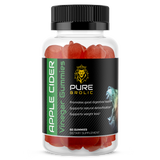
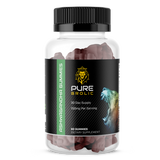
Pure Brolic is built for that bigger picture: performance in the gym, recovery afterward, and wellbeing that keeps you moving forward. You do not need an elite athlete’s schedule to train with purpose. You need a plan you can keep.
Your next move is simple: choose the one gap holding your training back most. If it is protein, make your daily target easier to reach. If it is performance, build the creatine habit. If it is energy, look honestly at sleep before reaching for more caffeine. Small choices repeated week after week are how strength gets redefined.