



You do not need a shelf full of powders, pills, and hype to make progress. You need a sports nutrition supplement guide that helps you match the right products to the results you actually want - more energy, better recovery, lean muscle, stronger daily performance, and support that fits real life.
That matters because most people are not training like professional athletes. They are balancing workouts with work, family, sleep, stress, and long-term health goals. Your supplement plan should reflect that. The best stack is not the most expensive one or the trendiest one. It is the one you can use consistently, trust fully, and build into your routine without overthinking every scoop.
What a sports nutrition supplement guide should really do
A good sports nutrition supplement guide should simplify decisions, not make them harder. It should help you separate foundation products from optional extras. It should also remind you that supplements support training and nutrition - they do not replace them.
For most adults, the foundation comes down to a few categories. First is performance support for training sessions. Second is recovery support so you can come back strong. Third is daily health support, because energy, sleep, stress, and nutrient status all affect how you perform in and out of the gym.
This is where many people go wrong. They chase a pre-workout for bigger sessions but ignore protein intake, poor sleep, or basic micronutrient gaps. A strong body is built on more than gym intensity. Real progress comes from stacking good habits with smart supplementation.
Start with your goal, not the label
Before you buy anything, get clear on what you want the product to do. If your main goal is muscle growth, your priorities will look different than someone who wants more workout energy or better recovery after busy training weeks. If you are older and focused on strength, mobility, and vitality, your supplement needs may include performance support plus broader wellness products.
The key is to avoid treating every supplement like it does the same job. Pre-workout is not protein. Protein is not creatine. A sleep gummy is not a testosterone support formula. Each category has a lane, and the smartest buyers stay focused on purpose.
If your goal is more workout energy
Pre-workout is usually the first stop. A solid pre-workout can help support focus, training intensity, and perceived energy, especially when motivation is low or you train early. This can be useful for lifters, regular gym-goers, or anyone trying to bring more consistency to their sessions.
But there is a trade-off. Stimulant-heavy products may not be ideal if you train late in the day, are sensitive to caffeine, or already feel stressed and under-recovered. More energy is not always better if it disrupts sleep later. If that sounds like you, dosage and timing matter just as much as the formula itself.
If your goal is muscle support and recovery
Protein powder is often the easiest win. Whey isolate is popular because it is convenient, high in protein, and generally easier for many people to fit into a busy schedule than another full meal. If you struggle to hit your daily protein target, adding a shake after training or between meals can make your routine much more consistent.
That said, protein powder is a supplement, not magic. If your total daily protein is already strong through whole foods, the benefit becomes more about convenience than necessity. That is still valuable. Convenience is often what keeps a plan working.
If your goal is strength and performance over time
Creatine belongs in almost every serious conversation about sports nutrition. It is one of the most recognized options for supporting strength, power, and training performance. It also works best when taken consistently, not just on hard workout days.
This is important because creatine is not a quick jolt product. It is a long-game supplement. If you want instant energy, look elsewhere. If you want support for repeated performance and strength progress over time, creatine deserves a spot near the top of your list.
The supplements most people should consider first
For most adults, a simple stack beats a complicated one. A practical starting point is protein, creatine, and a pre-workout if you actually need the boost. From there, broader wellness support can make a major difference in how you feel and perform.
A multivitamin can help cover basic nutrient gaps, especially if your diet is inconsistent. Sleep support can matter more than another workout product if recovery is poor. Stress support formulas, including options like ashwagandha, may fit people whose training, work, and life pressure are all hitting at once. Collagen can make sense for those focused on beauty support, joints, or healthy aging. The right choice depends on the person in the mirror, not just the program on paper.
That is what makes a one-size-fits-all supplement routine a bad idea. A 24-year-old chasing bigger lifts, a parent squeezing in 30-minute workouts, and a 55-year-old focused on strength and vitality may all benefit from supplements, but not from the same shopping cart.
How to choose quality without getting lost
The supplement space is crowded, and flashy labels are everywhere. What builds confidence is not just branding. It is trust markers and manufacturing standards that show a product was made with care.
Look for brands that are transparent about quality standards, manufacturing, and testing. Claims such as Made in the USA, GMP-certified facility, FDA-registered facility, and lab tested status can help you narrow the field. These do not mean every product is automatically perfect for you, but they do signal that the brand takes quality seriously.
You should also pay attention to whether a formula matches your needs instead of just sounding aggressive. Some people love the hardest-hitting pre-workout they can find. Others want a smoother experience they can use consistently. Some want a clean whey isolate because digestion matters. Some want broader daily wellness support alongside gym products. A brand that understands both performance and everyday health is often a better fit for real life.
When to take your supplements
Timing matters, but not as much as consistency. Pre-workout is the obvious exception since it is designed for use before training. Protein is flexible. After a workout can be convenient, but the bigger question is whether you are hitting your daily target. Creatine works best when taken every day, with timing being less important than regular use.
Wellness supplements depend more on the formula. Sleep support belongs in the evening. Multivitamins often fit best with meals. Stress support products may work best at a consistent time each day. The easiest rule is simple: take supplements in a way you can repeat without friction.
If your routine is too complicated, you will stop following it. That is why simple stacks win. You want your supplement plan to support discipline, not test it.
Common mistakes this sports nutrition supplement guide can help you avoid
One mistake is buying for excitement instead of need. A strong label and a loud product name can be fun, but results come from matching the product to the problem. Another mistake is expecting supplements to carry weak habits. If your training is random, your sleep is poor, and your protein intake is low, no powder will save the process.
A third mistake is switching too often. People try one product for a few days, then move on to something else before they have given consistency a chance to work. The better move is to build a base, stay with it, and adjust only when your goals or response change.
This is also where inclusivity matters. Sports nutrition is not only for bodybuilders or elite athletes. It is for anyone who wants to train better, recover better, and feel stronger in daily life. That can mean building muscle, improving energy, supporting healthy aging, or just feeling more capable every week.
Build your stack around your life
The strongest supplement routine is the one that meets you where you are. If you are pushing hard in the gym, start with support for performance and muscle recovery. If life stress is high, recovery and sleep might deserve more attention first. If your goals include both physical confidence and everyday wellness, your stack should reflect both.
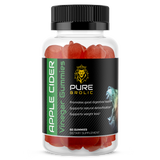
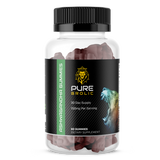
That is why brands like Pure Brolic connect sports nutrition with broader health support instead of treating them like separate worlds. Real strength is not limited to the gym. It shows up in your energy, your recovery, your consistency, and how you feel from one stage of life to the next.
Choose products with purpose. Keep your routine realistic. Stay consistent long enough to see what actually works. The best results usually come from doing the basics well, then adding support that helps you keep showing up stronger.