



Miss two weeks of smart training and eating, and progress slows fast. Spend those same two weeks doing the right basics well, and your body starts giving you visible feedback - fuller muscles, better lifts, faster recovery, and more confidence every time you step into the gym. If you want to know how to gain muscle and strength fast, the answer is not a secret stack or a random high-volume workout. It is getting a few key things right, consistently.
The biggest mistake people make is trying to chase muscle and strength as if they are two separate goals. In real life, they build off each other. More muscle gives you more potential to produce force. Getting stronger on the right lifts creates the tension your muscles need to grow. If your plan is built well, you do not have to pick one.
How to gain muscle and strength fast starts with progressive overload
Fast progress starts with a training plan that asks your body to do a little more over time. That is progressive overload. It can mean adding weight to the bar, doing more reps with the same weight, improving your form, or handling more total work without burning out.
For most people, the sweet spot is simple. Train 3 to 5 days per week, center your workouts around compound lifts, and repeat those movements often enough to improve them. Squats, deadlifts, presses, rows, pull-ups, and lunges give you the most return because they train a lot of muscle at once and build usable strength.
This is where people get impatient. They jump from program to program, add too many isolation exercises, or max out too often. That does not speed things up. It usually just buries recovery. If your bench, squat, row, and overhead press are moving up steadily, your physique is usually moving in the right direction too.
Train hard, but leave room to recover
You do need intensity, but not chaos. Most of your working sets should feel challenging while still leaving one or two good reps in reserve. That is hard enough to stimulate growth without crushing your recovery for the rest of the week.
A fast path to stalling is treating every set like a competition. Going to failure on curls is one thing. Grinding every compound lift until your technique breaks down is another. If you want muscle and strength fast, you need enough effort to force adaptation and enough control to keep progressing next session.
Focus on key rep ranges
Strength responds well to lower rep work on big lifts, while muscle growth usually benefits from a moderate rep range. That is why a balanced approach works best. You might do 4 to 6 reps on squats or bench press, then 8 to 12 reps on accessory work like dumbbell presses, rows, split squats, curls, and triceps work.
You do not need every workout to look the same. What matters is that your program includes heavy enough work to build strength and enough total volume to support muscle growth. That mix is where a lot of real-world progress happens.
Eat like you actually want to grow
Training gives your body a reason to grow. Nutrition gives it the materials. If your calories are too low, your body will struggle to add muscle no matter how motivated you feel.
For most lifters, gaining muscle and strength quickly means eating in a moderate calorie surplus. Not a wild bulk where you gain body fat fast, and not a tiny intake that keeps you stuck at maintenance. A good starting point is a daily surplus that supports about 0.25 to 0.75 pounds of weight gain per week. Smaller lifters and people who gain fat easily should stay on the lower end. Hard gainers can usually push a little higher.
Protein matters most, but total calories matter too. A lot of people hit a decent protein target and then wonder why they still look flat and feel weak. If your body does not have enough overall energy coming in, muscle gain slows down.
Protein should be consistent, not random
Aim for roughly 0.7 to 1 gram of protein per pound of body weight each day. Spread it across your meals so your body gets regular support for repair and growth. Lean meats, eggs, dairy, Greek yogurt, protein shakes, and other high-quality protein sources make this easier.
Convenience counts. If a whey isolate shake helps you hit your numbers after training or on a busy workday, that is not cutting corners. That is building a system you can actually stick with.
Carbs help drive performance
Carbs are not the enemy when your goal is size and strength. They help fuel hard sessions, support recovery, and keep your muscles looking full. If your lifts feel flat, your energy drops halfway through training, or your pumps disappear, low carb intake may be part of the problem.
Center most of your carbs around training and recovery. Rice, potatoes, oats, fruit, pasta, and whole grain options all work. You do not need a perfect bodybuilder meal plan. You need enough quality food, often enough, to support hard training.
Supplements can help, but they do not replace the work
If your training and nutrition are weak, supplements will not save you. If your basics are tight, the right ones can absolutely help you progress faster and more consistently.
Creatine is one of the most useful options for strength and muscle gain. It supports training performance, helps with repeated high-intensity effort, and has one of the strongest track records in sports nutrition. Daily consistency matters more than timing.
Protein powder is valuable because it solves a real problem. Most people are not failing because they do not know protein matters. They are failing because work, family, and life make it harder to hit their target every day. A clean whey isolate can make that easier.
Pre-workout can also be helpful if low energy is one of the reasons your sessions lack intensity. The key is using it as support, not as a substitute for sleep, calories, or discipline. Recovery products, sleep support, and foundational wellness supplements can also make a difference, especially for adults trying to build strength while balancing stress, busy schedules, and age-related recovery changes.
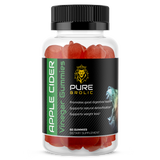
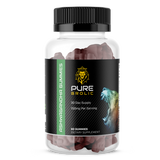
That is where a broad wellness approach matters. Muscle is built in the gym, but progress is protected by sleep quality, stress control, hydration, and overall health. Brands like Pure Brolic speak to that reality because strength is not just a gym goal. It is part of feeling better, moving better, and showing up stronger in daily life.
Recovery is where fast progress gets protected
The fastest way to slow down muscle gain is to ignore recovery while telling yourself you are just being hardcore. Your body does not grow from workouts alone. It grows from recovering from them.
Sleep is the first place to look. If you are getting five or six broken hours a night, your recovery, performance, appetite regulation, and training drive are all going to suffer. Seven to nine hours is a better target for most adults, especially if they are training hard.
Stress also matters more than most people want to admit. High life stress can reduce training quality, disrupt sleep, and make it harder to eat enough or recover well. You do not need a perfect stress-free life. You just need enough structure to keep stress from wrecking your routine.
Do not out-train poor recovery
If your joints ache constantly, your motivation crashes, and your numbers stall for weeks, adding more volume is rarely the answer. Sometimes the faster move is pulling back slightly, sleeping more, and cleaning up your nutrition. Progress is not always about doing more. Sometimes it is about doing what works, better.
How to gain muscle and strength fast without wasting months
You need to measure progress honestly. Strength should be going up on your main lifts or your total training volume should be improving. Your body weight should trend upward if muscle gain is the goal. Photos, tape measurements, and how your clothes fit can tell you a lot too.
If nothing is moving after two to four weeks, something needs adjusting. Usually it is calories, training quality, or consistency. Not genetics. Not bad luck. And not a need for some extreme new plan.
There is also a trade-off to keep in mind. The faster you push body weight up, the more likely you are to gain some body fat along with muscle. That is normal. The goal is not to stay stage-lean while adding size at lightning speed. The goal is productive growth that still feels good and looks athletic.
Beginners can usually gain muscle and strength faster than advanced lifters because almost everything works when they finally get consistent. Intermediate lifters need more precision. Older adults can still build impressive muscle and strength, but recovery and joint management often deserve more attention. Fast is always relative. Efficient is the better target.
What matters most is this: train with purpose, eat enough to grow, recover like it counts, and use supplements to support the plan, not lead it. Keep showing up with intensity and patience at the same time. Your body responds when you give it a real reason to. Stay consistent, stay Brolic, and let your next few months look different from your last few years.