




You feel it fast when your training is off. Maybe the weight moves, but you gas out too early. Maybe your cardio holds up, but your strength stalls. If you want to know how to build muscle strength and endurance, the answer is not training harder at random. It is training with a clear plan that teaches your body to produce force, resist fatigue, and recover well enough to do it again.
That matters whether you are chasing better lifts, stronger runs, harder workouts, or just more energy in everyday life. Strength and endurance are not separate worlds. They overlap more than people think, and when you train them the right way, they make each other better.
What building strength and endurance really means
Muscle strength is your ability to produce force. That shows up when you squat a heavier weight, push more resistance, or carry things with more control. Muscle endurance is your ability to keep performing over time. That shows up when you can keep repping, keep moving, and keep your output steady without falling apart halfway through a session.
A lot of people make the mistake of training only one side. They lift heavy with long rests and wonder why they burn out fast. Or they do endless light reps and wonder why they never look or feel stronger. The sweet spot depends on your goal, your age, your training history, and how many days you can recover each week.
If you are newer to training, the good news is you do not need a complicated split or elite programming. You need consistency, smart exercise selection, enough food, and recovery that matches the work.
How to build muscle strength and endurance with training that works
The fastest way to stall progress is to train without structure. Your body adapts to a demand only when that demand is repeated often enough and challenged gradually over time.
For strength, focus on compound lifts that train multiple muscle groups at once. Squats, deadlifts, presses, rows, lunges, and pull movements give you the most return for your effort. These exercises let you add weight in a measurable way, which is a big part of getting stronger.
For endurance, you still want resistance training, but your setup changes. You use moderate loads, more total reps, shorter rest periods, and sometimes circuit-style work to teach your muscles to keep producing under fatigue.
The practical move is to combine both. A simple week might start a workout with heavier sets of a main lift, then finish with higher-rep accessory work. That way you build force first and fatigue resistance second. You do not need to choose one lane forever.
Use different rep ranges on purpose
Heavy sets in the 3 to 6 rep range are useful for strength. Moderate sets in the 6 to 12 range help with muscle growth, which supports future strength. Higher-rep sets in the 12 to 20 range can improve muscular endurance when paired with controlled rest periods.
That does not mean every workout needs every rep range. It means your week should include enough variety to match your goal. If your main priority is strength, most of your key lifts should stay lower in reps. If your main priority is endurance, more of your work should sit in the moderate to higher range with less rest.
A balanced approach works well for most people because real-life performance rarely asks for only one thing.
Progression beats motivation
Motivation gets you started. Progression keeps you moving.
Try to improve one variable at a time. Add five pounds to a lift. Add one or two reps to a set. Tighten your rest periods without losing form. Increase total weekly volume a little. Small wins stack up, and they are easier to recover from than giant jumps.
This is where many people miss the mark. They train hard, but not progressively. If your workouts look the same month after month, your body has no reason to adapt.
Recovery is part of how to build muscle strength and endurance
A lot of people treat recovery like a bonus. It is not. Recovery is where your body actually adapts to training.
Sleep is the first lever. If you are sleeping five hours a night, your performance, muscle repair, energy, and consistency will all take a hit. Most adults need seven to nine hours, and the quality matters too. A regular sleep schedule beats catching up on weekends.
Training frequency matters just as much. More is not always better. If your joints stay beat up, your performance drops every session, and your motivation tanks, that is not grit. That is poor recovery management. Most people do well with three to five focused training days per week.
It also helps to respect easier days. Walking, mobility work, and light recovery sessions can keep you active without digging a deeper fatigue hole. There is a difference between staying disciplined and running yourself into the ground.
Nutrition drives performance, not just appearance
You cannot build strength and endurance on fumes. If your goal is progress, your nutrition has to support the work.
Protein is non-negotiable. It supports muscle repair, recovery, and growth. For many active adults, getting a solid protein source at each meal is a smart baseline. If whole food intake falls short, whey isolate can be a practical way to close the gap without making your routine complicated.
Carbs matter too, especially for endurance and training output. They help fuel hard sessions and support recovery afterward. Too many people under-eat carbs, then wonder why their lifts feel flat and their stamina crashes.
Hydration plays a bigger role than most realize. Even mild dehydration can affect strength, endurance, and focus. If you train hard, sweat a lot, or use stimulants before workouts, staying on top of fluids and electrolytes becomes even more important.
Then there is total calorie intake. If you are trying to gain strength and muscle, eating too little makes the process harder. If fat loss is also a goal, you can still improve performance, especially as a beginner, but the pace may be slower. That is one of those it depends situations. Your body can adapt in multiple directions, but it responds best when the goal is clear.
Supplements can support the plan
Supplements are not the foundation, but they can help you train harder, recover better, and stay consistent.
Creatine is one of the simplest and most effective options for strength, power, and training performance. It is useful for a wide range of adults, not just bodybuilders. A solid pre-workout can also help if low energy is holding back your sessions, especially when you need more focus and drive before training.
Protein powder helps with convenience. If your schedule is packed, getting enough protein through food alone is not always realistic. Recovery support can also matter more as training volume climbs or as you get older and notice you do not bounce back the same way.
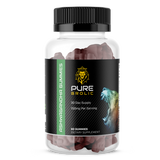
That is where a brand like Pure Brolic fits naturally for people who want fitness support and broader wellness in one place. The right stack should make your routine easier to follow, not more confusing.
Common mistakes that slow results
One big mistake is doing too much high-intensity work at once. Heavy lifting, hard conditioning, and extra cardio can all be useful, but stacking them without a plan often leads to mediocre results across the board.
Another problem is poor exercise form. If you rush reps, shorten range of motion, or rely on momentum, you make it harder to build real strength and endurance. Better technique usually improves output before you even change the weight.
People also quit too early. Building a stronger, more durable body takes time. You may feel better in a few weeks, but visible and measurable change often takes months of steady work. That is normal. Fast starts are common. Long-term consistency is what changes your body.
A simple weekly approach
If you want a practical way to train, keep it straightforward. Lift three to four days per week. Start each workout with one or two main strength-focused movements. Follow those with accessory lifts in moderate to higher rep ranges. Finish with short conditioning or endurance-based work once or twice a week, not every day.
For example, a lower-body day might begin with squats for lower reps, move into Romanian deadlifts and lunges for moderate reps, then finish with sled pushes, carries, or a short bike interval block. An upper-body day might pair a heavy press or row with higher-rep shoulder, chest, and arm work.
This kind of structure gives you enough stimulus to build strength while also teaching your muscles to keep going when fatigue shows up.
Stay patient, but train with intent
The real answer to how to build muscle strength and endurance is not flashy. Train hard enough to challenge your body. Recover well enough to adapt. Eat to support performance. Use supplements when they solve a real need. Then repeat that process long enough for results to show up.
You do not need a perfect plan. You need one you can stick to. Stronger is built rep by rep, meal by meal, night by night. Keep showing up, and your body will start meeting you there.