



That first week in the gym usually goes one of two ways. You either feel fired up and ready to change everything, or you spend half your workout wondering whether you need five different powders, two shaker bottles, and a cabinet full of pills just to keep up. The truth is simpler. The best supplements for gym beginners are the ones that cover the basics, support consistency, and actually fit your routine.
If you are new to training, supplements should make your life easier, not more confusing. You do not need an advanced stack on day one. You need a few smart tools that help with recovery, performance, and everyday nutrition so you can train hard, feel better, and keep showing up.
What gym beginners really need from supplements
Beginners usually chase the flashy stuff first. More energy. Faster muscle gain. Big pumps. Those things can matter, but they are not the foundation. Early progress comes from a few simple habits - lifting consistently, eating enough protein, sleeping well, and recovering between sessions.
That is why the best supplements for gym beginners tend to be basic, proven, and practical. A good supplement should solve a clear problem. If you struggle to hit your daily protein goal, protein powder makes sense. If your strength stalls or you want better training output, creatine makes sense. If you train after a long workday and need a boost, pre-workout can help.
The key is matching the product to your actual needs instead of copying what an experienced lifter uses.
The best supplements for gym beginners
Protein powder
If there is one supplement that belongs in almost every beginner setup, it is protein powder. Building muscle requires enough daily protein, and that can be harder than it sounds when life gets busy. Protein powder is not magic. It is just a convenient way to hit your numbers without overthinking every meal.
For most beginners, whey isolate is a strong choice because it is high in protein, easy to mix, and usually easier on digestion than heavier blends. It works well after training, but timing is less important than your total intake for the day. If you already eat plenty of lean meat, eggs, yogurt, or other protein-rich foods, you may not need it every day. But for most people, it is one of the simplest ways to stay on track.
Creatine monohydrate
Creatine has earned its reputation. It is one of the most studied sports supplements available, and it consistently supports strength, power, and muscle performance. For beginners, that matters because the early stage of training is all about building a base. If a supplement can help you get a few more quality reps, recover a little better between sets, and support steady progress, it is worth paying attention to.
Creatine is not a stimulant, so you will not feel an instant jolt the first time you take it. Its benefits build with regular use. Most beginners do well with a simple daily serving, and there is no need to overcomplicate it with loading phases unless you prefer that approach. The trade-off is that some people notice mild water retention, but that is usually normal and tied to muscle hydration, not body fat gain.
Pre-workout
Pre-workout is where beginners often get carried away. The right formula can absolutely help with energy, focus, and training intensity. The wrong one can leave you jittery, overstimulated, and convinced you need a massive caffeine hit just to train.
If you are considering pre-workout, keep it simple. Look for a formula designed to support energy and focus without making you feel like your heart is trying to beat out of your chest. This is especially useful if you train early in the morning or after a long day when motivation is low.
That said, pre-workout is optional. If you are already energized, well-rested, and training well, you may not need it. It is a tool, not a requirement. Beginners should also pay attention to caffeine tolerance. Start small. More is not better if it wrecks your sleep later.
Electrolytes or hydration support
A lot of beginners think fatigue during workouts means they need stronger supplements. Sometimes they just need better hydration. If you sweat heavily, train in a hot environment, or do longer workouts, hydration support can make a noticeable difference in how you feel and perform.
This matters even more if you are combining strength training with cardio, cutting calories, or following a lower-carb eating plan. In those cases, electrolyte balance can affect energy, endurance, and recovery more than people realize. Not everyone needs a dedicated hydration product every day, but it can be a smart addition if your workouts leave you drained or cramping.
Multivitamin
A multivitamin will not replace quality food, but it can help cover nutritional gaps while you build better habits. Beginners often make big lifestyle changes fast. They start training, adjust their eating, increase activity, and sometimes cut calories all at once. That can make balanced nutrition harder to maintain.
A good multivitamin is not about chasing superhuman performance. It is about supporting general health while your routine levels up. This is especially useful if your diet is inconsistent, you travel often, or you are working through a fat-loss phase where food variety drops.
Recovery support
Training breaks muscle down. Recovery is where progress happens. That is why support products focused on sleep, stress, and muscle recovery can be a smart move for beginners who want results without burning out.
This category can look different depending on your routine. Some people need help winding down at night because late workouts leave them wired. Others need support managing stress so recovery does not get derailed by poor sleep and high cortisol. If your body feels beat up, your mood is off, or you are dragging through workouts, recovery support may do more for your progress than another scoop of energy powder.
Collagen or wellness add-ons
Not every beginner is training purely for muscle size. Some are focused on feeling stronger, supporting joints, improving overall wellness, or looking better from head to toe. That is where broader wellness supplements can fit in.
Collagen, for example, may appeal to people who want support for skin, hair, nails, and connective tissue while they build a healthier routine. Adaptogen-based products may fit those trying to balance stress and performance. These are not must-haves for everyone, but they make sense when your fitness goals include more than just lifting heavier.
What beginners do not need right away
This part saves people money. You probably do not need a huge stack loaded with specialized products on day one. Fat burners, mass gainers, nitric oxide formulas, testosterone support, and advanced intra-workout products all have their place, but they are usually not the first answer.
Beginners often see the best results from doing less, better. If your nutrition is inconsistent, your sleep is poor, and your training plan changes every week, no premium stack will fix that. Build your foundation first. Once your routine is steady, it becomes much easier to tell which products are actually helping.
How to choose the right beginner stack
The smartest approach is to buy for your weak points. If you never hit your protein target, start with protein powder. If you want more strength and better training performance, add creatine. If low energy is your biggest problem, consider pre-workout. If overall wellness is the gap, a multivitamin or recovery-focused product may be the better move.
Quality matters too. Look for supplements made in the USA, produced in GMP-certified and FDA-registered facilities, and backed by lab testing. That does not guarantee perfection, but it does raise the standard. When you are putting something into your body every day, trust matters.
For most beginners, a clean and effective stack looks like protein, creatine, and one optional support product based on personal goals. That is enough to build momentum without wasting money or turning your routine into a chemistry project.
A simple way to start strong
If you want the easiest path, start with two essentials and grow from there. Protein powder helps you recover and hit your daily intake. Creatine supports strength and performance over time. Then, if needed, add pre-workout for energy or a wellness product for sleep, stress, or general health.
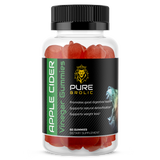
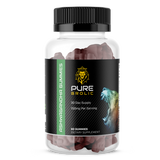
That approach keeps things practical, affordable, and sustainable. It also leaves room to learn your body instead of throwing ten products at it and guessing what works. Brands like Pure Brolic speak to that balance well - performance support on one side, everyday wellbeing on the other.
The gym rewards consistency more than hype. Pick supplements that help you train, recover, and stay locked in, and you will make stronger progress than the person chasing every trend on the shelf. Start simple, stay steady, and give your routine time to turn you into someone stronger than the version that first walked through the door.