



Your skin does not need another complicated routine with ten products lined up on the counter. It needs consistent support: protein building blocks, smart sun habits, hydration, and a supplement you will actually take every day. The best collagen supplements for skin are not necessarily the most expensive or the ones with the loudest label. They are the ones with a well-chosen collagen source, an effective daily serving, transparent quality standards, and a place in your real routine.
Collagen is a structural protein found throughout the body, including the skin, joints, bones, and connective tissue. As we age, the body’s natural collagen production declines. That can show up as skin that feels less firm or hydrated, especially when life adds sun exposure, stress, training, poor sleep, or inconsistent nutrition to the mix. A quality collagen supplement can be a practical addition to a strength-and-wellbeing routine, but it works best when expectations stay realistic.
What Makes the Best Collagen Supplements for Skin?
Start with hydrolyzed collagen peptides. This means the collagen protein has been broken into smaller pieces that dissolve easily in liquids and are easier for the body to absorb. You may also see it called collagen hydrolysate. For daily use, this is usually the most convenient format, whether you prefer a powder in your morning coffee, a shake after training, or a quick drink mixed with water.
The collagen type matters, but it does not need to become complicated. Types I and III are the most common choices for skin-focused formulas. Type I is abundant in skin and other connective tissues, while Type III often works alongside it in the body. A product featuring hydrolyzed Type I and III collagen is a solid, straightforward pick for people focused on skin appearance, hair, nails, and everyday connective-tissue support.
Dose matters more than marketing buzzwords. Many collagen peptide studies use daily amounts in the range of 2.5 to 10 grams. A serving in that range makes sense for a dedicated collagen routine. Lower-dose gummies can be convenient, but check the Supplement Facts panel before assuming they provide the same amount as a scoop of collagen powder. Convenience has value, yet it should not hide an underdosed formula.
Quality is non-negotiable. Look for clearly stated ingredients, the amount of collagen per serving, and a brand that takes manufacturing standards seriously. Made in the USA, GMP-certified manufacturing, FDA-registered facilities, and lab testing are meaningful trust markers when you are choosing products you plan to use daily.
Powder, Capsules, or Gummies: Which Form Fits Your Routine?
The best format is the one you can use consistently. Collagen powder is often the easiest way to get a meaningful daily dose in one serving. Unflavored powders can disappear into coffee, tea, smoothies, oatmeal, yogurt, or a post-workout shake. If you already use whey isolate or a daily smoothie, adding collagen can feel nearly effortless.
Capsules are simple for travel and for people who do not enjoy mixing drinks. The trade-off is serving size. Getting several grams of collagen through capsules may mean taking multiple capsules per day, so read the label and decide whether that fits your habits.
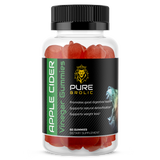
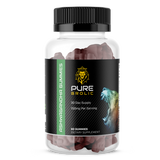
Gummies win on convenience and taste. They can make a wellness routine easier to maintain, especially for people who avoid powders. Still, gummies may contain added sugar and often provide a smaller collagen dose. They can be a good fit when convenience drives consistency, but a powder may be the stronger option if your goal is a higher daily collagen intake.
Ingredients That Pair Well With Collagen
Collagen does not work in isolation. Vitamin C plays a role in the body’s own collagen formation, which is why it is commonly included in beauty and wellness formulas. You can get vitamin C from foods like citrus, berries, bell peppers, and leafy greens, or from a thoughtfully formulated supplement.
Hyaluronic acid is another popular companion ingredient because it helps support skin hydration. Some formulas also include biotin, zinc, or vitamin E. These additions can be useful, particularly if your diet has gaps, but more ingredients do not automatically mean a better product. A clean collagen peptide formula with a reliable dose can be more valuable than a crowded label full of tiny amounts.
If you are choosing between a simple powder and a beauty blend, think about what is already in your routine. Someone taking a daily multivitamin and eating a balanced diet may prefer straightforward collagen peptides. Someone who wants a more all-in-one beauty product may appreciate collagen with vitamin C and hydration-focused ingredients.
How Long Does Collagen Take to Work for Skin?
Collagen is a consistency play, not an overnight fix. Many people give a daily routine at least eight to 12 weeks before judging it. Changes can be subtle at first: skin may feel more hydrated or look a little smoother before you notice any difference in firmness or the appearance of fine lines.
Your starting point matters. A person who sleeps well, eats enough protein, wears sunscreen, and follows a basic skin-care routine may notice a different result than someone dealing with dehydration, frequent sun exposure, high stress, or a very low-protein diet. Collagen can support the foundation, but it cannot erase every effect of aging or replace medical skin care when it is needed.
Track your routine instead of relying on day-to-day mirror checks. Take a photo in the same lighting once a month, note whether you are taking your serving regularly, and pay attention to hydration, sleep, and sun exposure. Progress looks better when you measure it with some patience.
Build a Skin-Support Routine That Has Some Muscle Behind It
A collagen supplement works best as part of a bigger standard for how you take care of yourself. Get enough total protein from foods such as eggs, fish, poultry, dairy, beans, tofu, and protein shakes. Collagen is protein, but it is not a complete protein replacement for muscle building because it is low in certain essential amino acids. Keep your whey isolate, whole-food protein, or other complete protein sources in the rotation if strength, recovery, and lean muscle are goals.
Train, but recover like it counts. Resistance training supports healthy aging, physical confidence, and the strength that carries you through daily life. Recovery means sleep, hydration, enough calories, and nutrition that matches your activity level. The outside often reflects what is happening inside, and no beauty supplement can outwork chronic under-fueling.
Sunscreen deserves a spot in any honest conversation about skin. Daily sun protection helps protect skin from UV-related damage that can affect its appearance over time. Pair that habit with hydration, fruits and vegetables, and a collagen routine you can maintain. That is a more powerful strategy than chasing a miracle powder.
Who Should Be Careful With Collagen Supplements?
Most adults can use collagen peptides without much fuss, but the source matters. Bovine collagen is commonly derived from cattle, while marine collagen comes from fish. Anyone with a fish, shellfish, or beef allergy should read labels carefully and avoid products made from ingredients that may trigger a reaction.
Pregnant or nursing individuals, people with a medical condition, and anyone taking prescription medications should check with a qualified healthcare professional before adding a supplement. This is also wise if you have a history of kidney disease, need to limit protein, or have questions about how a product fits your personal nutrition plan.
Choose Consistency Over Hype
The right collagen is the one that earns a permanent spot in your daily lineup. Look for hydrolyzed peptides, a meaningful serving size, transparent sourcing, and quality manufacturing standards. Then choose a format that matches your habits instead of buying a product that looks great but sits unopened in the cabinet.
Pure Brolic approaches wellness the same way training should be approached: with practical tools, clear standards, and the confidence to keep showing up. Add collagen to your coffee, smoothie, or recovery shake, give the routine time, and let your daily habits do the heavy lifting.